

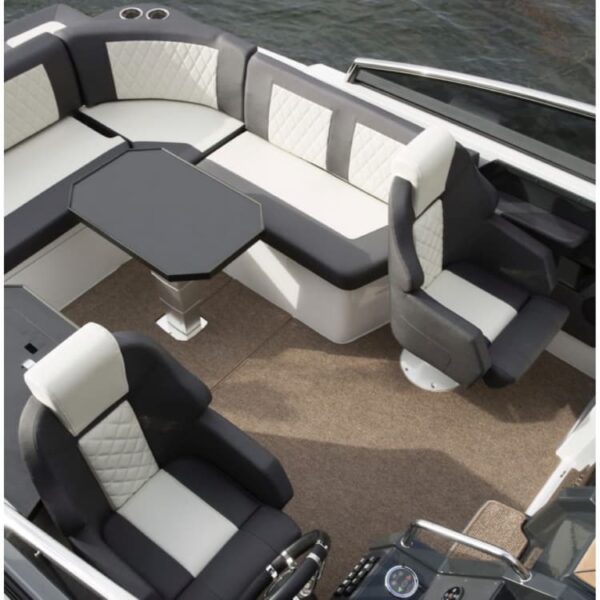
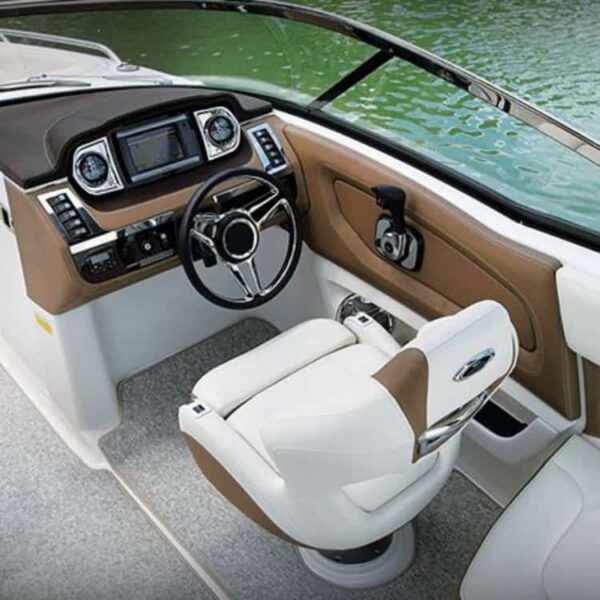
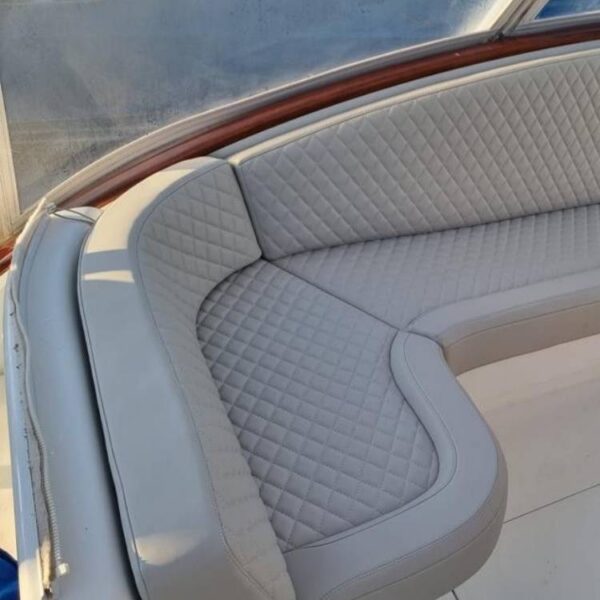
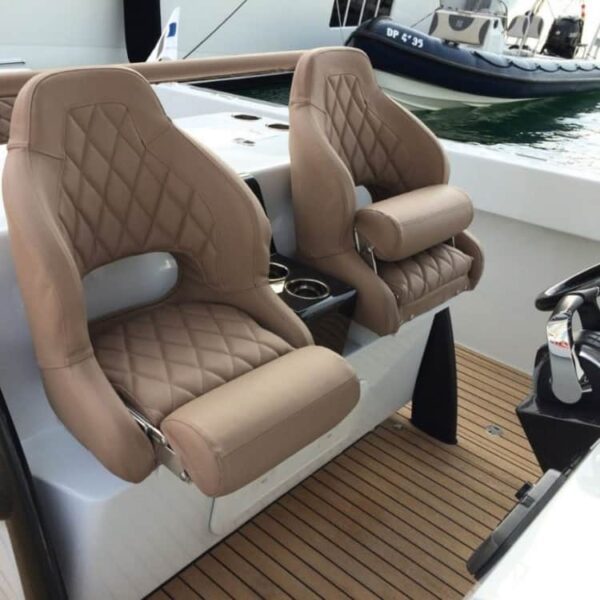




Marine Grade Silicone Leather
Our marine-grade silicone leather utilizes a rugged PDMS polymer backbone to shrug off the salt spray and 3,000+ hours of UV exposure that typically destroy vinyl. It serves as the technical standard for yacht deck seating and cruise ship interiors, effectively ending the peeling and “pink stain” issues found in traditional materials.
-
International Compliance: Certified to meet IMO flammability codes and REACH standards for global maritime use.
-
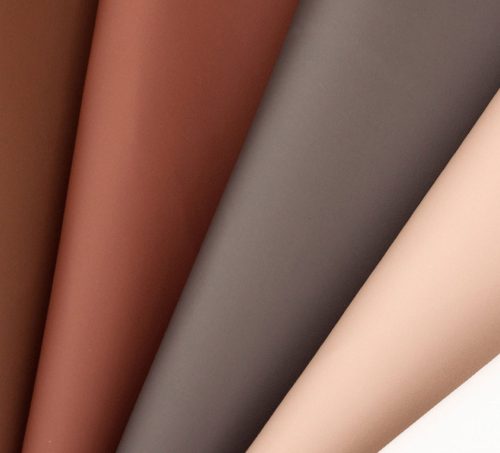
OEM Customization: Offer flexible color matching and specialized backing options for brand-specific requirements.
-
Extreme Durability: Survives 200,000+ abrasion cycles to significantly reduce your long-term warranty and replacement costs.
-
Clean Technology: Manufactured 100% PVC-free and solvent-free to provide a truly eco friendly silicone leather solution.
The Truth About Marine Seating: Why I’m Done With Vinyl (And Why You Should Be, Too)
You drop a small fortune on a boat, expecting the “premium” materials to actually survive the elements. I used to buy into that promise too—until a perfect afternoon on the water was ruined by my own upholstery.
We were out on the Atlantic in my 42-foot cruiser. Everything was dialed in: the weather was right, the drinks were cold, and the boat was running flawlessly. But every time I shifted in the helm seat, something sharp kept scraping against my leg.
I finally looked down and couldn’t believe it. The so-called “high-end, marine-grade” vinyl was completely spider-cracked and peeling. Instead of luxury seating, it looked like a dried-up mud puddle.
The real kicker. The boat hadn’t even hit its third birthday.
I’d been promised “durability.” I’d been promised “weather resistance.” What I actually got was a face-full of peeling plastic and a repair bill that made my eyes water.
That’s when I went on a quest. I didn’t just want a better fabric; I wanted the last fabric I’d ever have to buy for a boat. My journey led me past the old-school PVC peddlers and the “high-end” PU pretenders, straight to the door of a Silicone Leather Manufacturer.
If you’re a boat builder, a designer, or just a guy like me who hates wasting money, listen up. Here is the cold, hard truth about Marine Silicone Leather—and why it’s the only material that actually belongs on the water.
The “Dirty Secret” of the Marine Upholstery Industry
Before we talk about the good stuff, let’s talk about why your current boat seats probably suck.
Look, for the last few decades, the entire boating world has basically been stuck on PVC (Polyvinyl Chloride). It’s cheap. It looks okay for six months. But PVC is inherently a rigid plastic. To make it soft enough for you to sit on, manufacturers have to jam it full of “plasticizers.”
Here’s the kicker: The sun loves to eat plasticizers.
As soon as you pull out of the dock, the UV rays start baking those chemicals out of the fabric. That’s that “new boat smell” everyone loves? Yeah, that’s actually the smell of your seats dying. Once those chemicals are gone, the fabric gets brittle, it cracks, and—if you’re really unlucky—you get the dreaded “pink stain” from bacteria feeding on the plasticizers.
Then there’s PU (Polyurethane). It feels great—soft, like a fine glove. But PU and saltwater are like oil and water. They don’t mix. In a humid, salty environment, PU undergoes “hydrolysis.” In plain English? The surface literally peels off in sheets.
I’m not sure what your schedule looks like, but I definitely don’t have the patience for “luxury” gear that disintegrates the second things get a bit swampy.
Enter the Hero: What is Marine Silicone Leather?
Now, let’s talk about Shalitetech and their silicone technology.
Silicone isn’t just another plastic. It’s derived from silica (sand). It’s a completely different animal. When we talk about Silicone Leather, we aren’t talking about a coating. We’re talking about a high-performance polymer that is stable, non-toxic, and—this is the important part—doesn’t have any plasticizers to lose.
I recently visited a Silicone Leather Factory to see how the sausage is made. Unlike PVC factories that smell like a chemical spill, this place was clean. No solvents. No formaldehyde. Just pure silicone being bonded to high-strength polyester backings.
It’s the same stuff they use in medical devices and baby bottle nipples. It’s tough enough for a yacht but safe enough for a nursery.
5 Reasons Why Silicone is the “Super-Material” of the Sea
Here are 5 reasons why silicone is basically the “super-material” of the ocean. If you’re not convinced yet, let’s look at the actual numbers. I’ve always preferred hard data over the usual marketing nonsense.
1. UV Resistance That Defies Logic
The sun is the ultimate destroyer of marine fabrics. Usually, your standard marine vinyl is only good for about 500 to 1,000 hours of sun before it starts looking tired and old.
Custom Silicone Leather laughs at those numbers. We’re talking 3,000+ hours in a Xenon Arc tester with zero fading and zero cracking. That’s the difference between replacing your upholstery in three years versus fifteen.

2. The “Stay-Cool” Factor
If you’ve ever made the mistake of sitting on a black vinyl boat seat in mid-July wearing shorts, you know exactly what I mean. It’s basically a branding iron.
You only make that mistake once. But there’s a practical reason for the switch: unlike traditional PVC, silicone simply doesn’t bake in the sun and trap heat. Whether it’s Automotive Silicone Leather or the marine stuff, it stays way cooler even when the sun is beating right down on it. It doesn’t absorb heat like a sponge, meaning you can actually use your boat seats without getting third-degree burns.
3. It’s Practically “Stain-Proof”
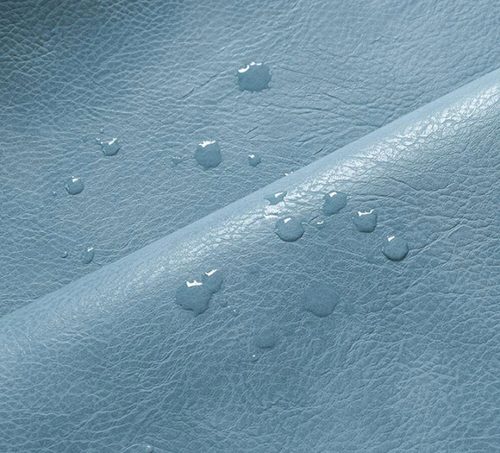
I’ve seen people spill red wine, mustard, and even permanent marker on Shalitetech silicone leather. On vinyl, that’s a permanent disaster. Honestly, you can just wipe most messes away with a wet rag. Since silicone is non-polar, nothing really wants to bond with it. Not even denim dye transfer (those blue streaks from your jeans) can get a foothold.
4. Hydrolysis? Never Heard of Her.
While PU leather usually starts shedding like a snake after a few weeks in the “Jungle Test”—which is basically a high-humidity torture chamber for fabrics—silicone doesn’t even flinch. It’s naturally waterproof and shrugs off moisture. Plus, you won’t see mold or mildew moving in because, quite frankly, there’s nothing in the material for the fungus to feed on.
5. It’s Eco Friendly Silicone Leather
We all love the ocean. Think about it: why would we ever want to deck out our boats with stuff that actually poisons the water? Making PVC pumps out dioxins and relies on nasty heavy metals like lead or cadmium.
Silicone is PVC Free and Vegan Silicone Leather. It’s totally recyclable and won’t off-gas those sketchy VOCs. Choosing silicone is basically a way to be a better neighbor to the ocean you love.

The Real Numbers: Silicone vs. The Other Guys
Hey, don’t just take my word for it though. Let’s look at the specs. I’ve put together this table based on industry standards like ASTM and ISO.
Performance Comparison Table
| Feature | Silicone Leather | Marine Vinyl (PVC) | Polyurethane (PU) |
| UV Resistance (ASTM G154) | 3,000+ Hours (Excellent) | 500-1,000 Hours (Fair) | 200-500 Hours (Poor) |
| Abrasion (Wyzenbeek) | 200,000+ Cycles | 50,000-100,000 Cycles | 30,000-50,000 Cycles |
| Cold Crack Resistance | Down to -40°C | Down to -20°C | Down to -10°C |
| Hydrolysis Resistance | 14+ Weeks (No Change) | N/A (Plastics break down) | 2-5 Weeks (Peeling) |
| Sustainability | Eco-Friendly/Recyclable | High Environmental Toll | Contains Solvents |
| Skin Safety | FDA/Medical Grade | Contains Phthalates | Varies |
Applications: Where Should You Use It?
As an OEM Silicone Leather specialist will tell you, this stuff isn’t just for the captain’s chair. The versatility here is actually kind of wild.
-
Automotive Interiors: If this stuff can survive a salt-spray nightmare on the ocean, just imagine how it’ll hold up in your family SUV.
-
Sofa Upholstery: It’s a lifesaver for beach houses where guests are constantly flopping down in soggy swimsuits.
-
Healthcare Seating: Hospitals love it because you can scrub it with the strongest disinfectants out there and it won’t even degrade.
-
Marine Upholstery: Every exterior seat, sunpad, and interior cabin sofa should be silicone.
I’ve even seen it used in Consumer Electronics for waterproof watch bands and phone cases. The stuff is everywhere.
My Experience with Silicone Leather Wholesale
If you’re a business owner, you’re probably thinking, “This sounds expensive.”
Here’s the Robert Bly perspective: Price is only an issue in the absence of value.
Yes, the upfront cost of Silicone Leather is higher than cheap vinyl. But what is the cost of a warranty claim? What is the cost of a customer who never buys from you again because their boat seats turned into a sticky mess after two seasons?
When you buy from a reputable Silicone Leather Supplier, you’re buying peace of mind. You’re buying a “one and done” solution. In the B2B world, that’s not an expense—that’s a competitive advantage.
How to Clean and Maintain Your Silicone Leather
People always ask me, “What special chemicals do I need to keep this stuff looking new?”
My answer? Put the chemicals away.
One of the best things about Shalitetech silicone is that it actually hates chemicals. In most cases, the only “cleaning kit” you need is a bucket of clean water.
Maybe add a bit of mild soap (like Dawn) and a soft cloth. That’s it. No conditioners. Forget those “UV protectant” sprays that usually just end up acting like a dirt magnet. Since silicone is naturally UV-stable, you don’t have to waste time rubbing oils into it just to keep it from cracking. It’s about as low-maintenance as a fabric can get.
FAQ: The Stuff You’re Probably Still Thinking About
1. Does silicone leather actually feel like rubber?
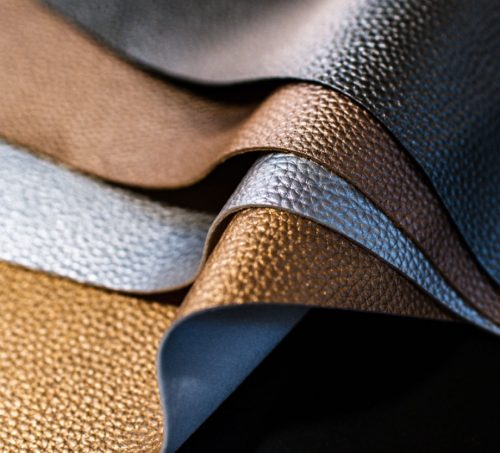
Not even close. If it’s a high-quality Silicone Leather, it’s got this soft, almost “buttery” feel that could pass for expensive calfskin. Actually, it’s way softer than PVC, which usually feels stiff and, well, like plastic.
2. Is it really PVC Free?
Yes. 100%. Zero chlorine, zero phthalates, and absolutely no heavy metals. It’s the cleanest synthetic leather on the market today.
3. Can I get custom colors for my brand?
Yeah, you can. If you work directly with the manufacturer, they can color-match pretty much anything. The nice thing about silicone is that the pigment is blended right into the material itself—not just coated on top. So whether you need an exact navy blue or a stark white, it’s not going to rub off or fade out after a couple of seasons in the sun.
4. How does it handle salt spray?
Better than anything else. Silicone is chemically inert. Saltwater doesn’t cause the “stiffening” effect you see in traditional materials. It’s been tested in salt spray chambers for thousands of hours with no effect on the surface.
5. Is it fire resistant?
Silicone has an inherently high flash point, it passes IMO flammability specs right out of the gate. There is no need to dope the material with the heavy chemical flame retardants required to get standard PVC up to code.
| Application | Gloves |
|---|
Reviews
There are no reviews yet.