

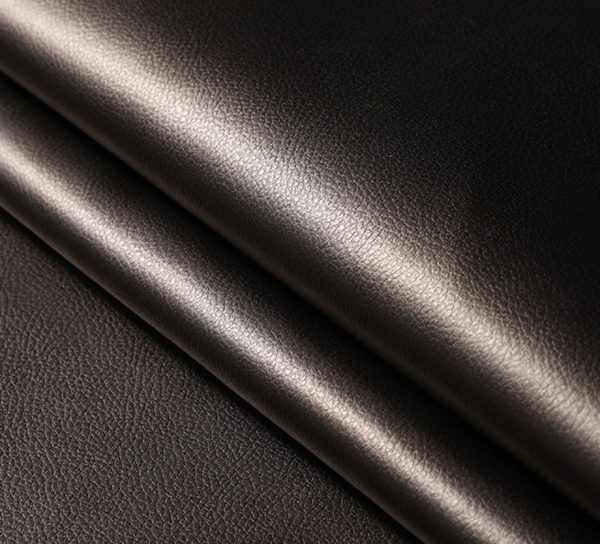
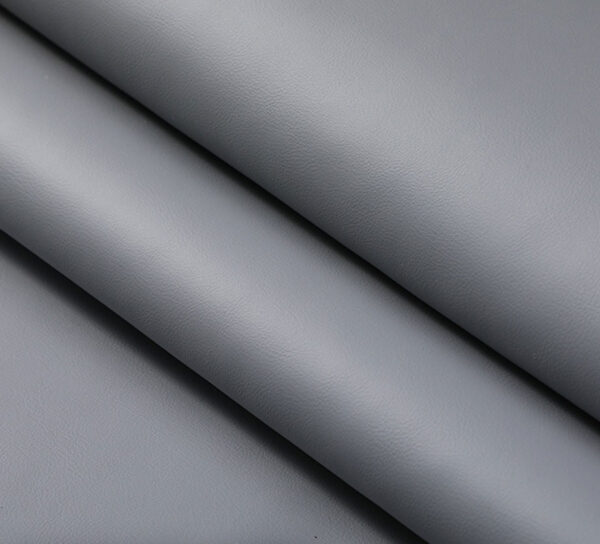

Upholstery Grade Silicone Leather
Finally, a High-Performance Fabric That Doesn’t Quit After a Wipe-Down.
Standard upholstery usually forces a trade-off: you can either have a soft touch or a surface that survives heavy cleaning. We’ve eliminated that compromise. Our silicone leather is engineered to handle 24/7 disinfection—even with 70% isopropyl alcohol or bleach—without the typical hardening or cracking you see in PU.
It’s built for high-traffic environments where humidity and heavy use are constants. With a 14-week Jungle Test certification, you’re looking at a 10-year lifespan without any peeling or hydrolysis issues. Plus, it’s inherently anti-fungal and stays matte and breathable, so it never feels sticky against the skin.
-
The Specs: REACH, RoHS, and OEKO-TEX compliant; near-zero VOCs.
-
Custom Runs: Flexible MOQ starting at 300 meters.
Beyond the “Vinyl Nightmare”: Why Silicone Leather is the Smart Technical Choice for High-Traffic Upholstery
Let’s be real for a minute. Anyone who has ever run a production line or tried to source fabrics for high-traffic zones knows exactly what I mean by the “Vinyl Nightmare.” You source a batch of PU or PVC leather that looks great on day one, but six months later, you’re getting warranty claims because the seats are peeling, the material smells like a chemical factory, or it’s cracked under the hospital’s cleaning agents.
I’m an expert at Shalitetech, and I’ve spent the better part of a decade inside the labs and factories where these materials are born. I’ve seen what happens when “cheap” materials meet real-world stress. Today, I’m showing you why silicone leather is the technical solution your engineers and accountants have been looking for.
If you’re spec’ing out materials for a new EV interior, a 500-room hotel project, or a fleet of medical exam tables, here is the raw data on why silicone is the only choice that makes sense for your bottom line.
Why Traditional Synthetics Usually Let You Down
Most common synthetics, like PU and PVC, only stay flexible because of added plasticizers. But here’s the catch: once they hit heat, UV rays, or harsh cleaning chemicals, those plasticizers start moving to the surface and eventually evaporate. What happens next? You’re left with a surface that’s brittle, ugly, and full of cracks.
Silicone is different. It’s an inorganic polymer built from silica—basically sand. Because of that unique chemistry, it doesn’t need a drop of plasticizer to keep its soft, premium feel. It’s naturally flexible, naturally flame-retardant, and chemically inert. When you use a silicone leather factory that knows what they’re doing, you’re buying a material that is literally built to last a decade.
Technical Performance Breakdown: The Specs That Matter
When your technical team asks for the data sheets, these are the numbers that sell themselves. At our manufacturing facility, we test for the extremes to ensure reliability.
Performance Comparison Table
| Technical Parameter | Silicone Leather | High-End PU | Standard PVC |
| Abrasion (Wyzenbeek) | 200,000+ Double Rubs | 30,000 – 50,000 | 50,000 |
| Hydrolysis Resistance | Lasts 14+ Weeks (Jungle Test) | 3 – 5 Weeks | N/A (Peels) |
| UV Stability (ASTM G154) | 2,000+ Hours (No change) | 200 – 400 Hours | Yellows/Cracks |
| Cold Crack | Survives down to -40°C | -15°C | -10°C |
| Cleaning Resistance | Alcohol, Bleach, Betadine | Damaged by Alcohol | Damaged by Solvents |
| VOC Emissions | Near Zero | High | High |
Application Scenarios: Where Silicone Solves Your Problems
1. Medical silicone leather: Maintaining Hygiene Without Falling Apart
In clinical settings, “clean” isn’t just a preference—it’s the law. If you’re responsible for dental chairs or exam tables, you know that surface is getting doused in 70% isopropyl alcohol or bleach wipes dozens of times every single day. Standard PU leather will dissolve under that stress. Actually, healthcare silicone leather is built to be chemically resistant to these harsh disinfectants. It won’t harden over time, and since it doesn’t crack, there’s nowhere for bacteria to hide.
2. Marine Silicone Leather: Surviving the “Salt-Sun” Combo
Ever sat on a white vinyl boat seat in the dead of July? You probably noticed two things: it’s hot enough to fry an egg, and it’s likely turning a weird shade of pink from fungal growth. Our boat upholstery leather is naturally anti-fungal and reflects infrared heat much better than PVC. This keeps the seats cooler to the touch. Plus, it sails through 2,000 hours of salt spray testing without any corrosion at all.
3. Automotive Silicone Leather: The EV Interior Standard
Modern electric vehicle (EV) manufacturers are moving away from animal hides and toxic PVC. They need car interior leather that meets strict odor and VOC (Volatile Organic Compound) standards. Silicone has no “new car smell” because it’s not off-gassing toxic chemicals. It’s the premium, vegan silicone leather solution for the next generation of transport.
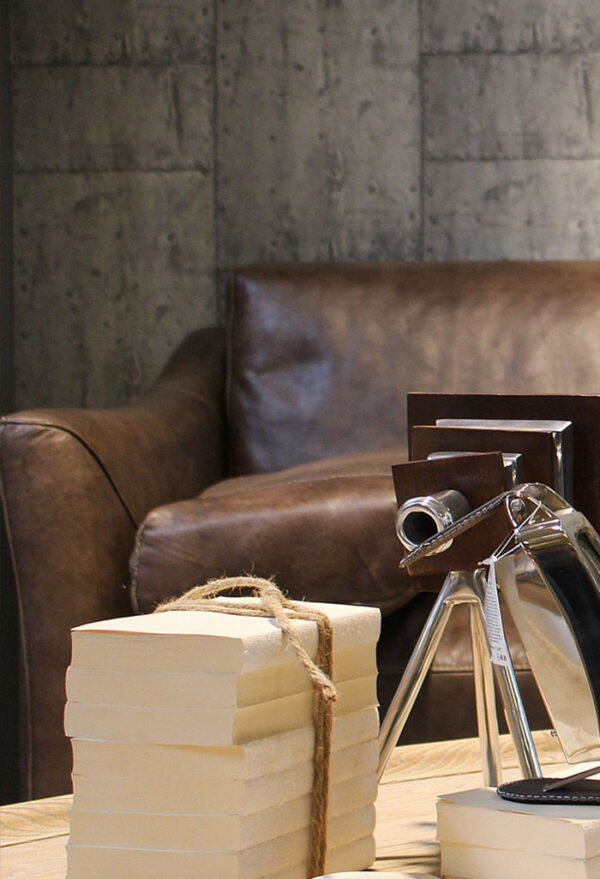
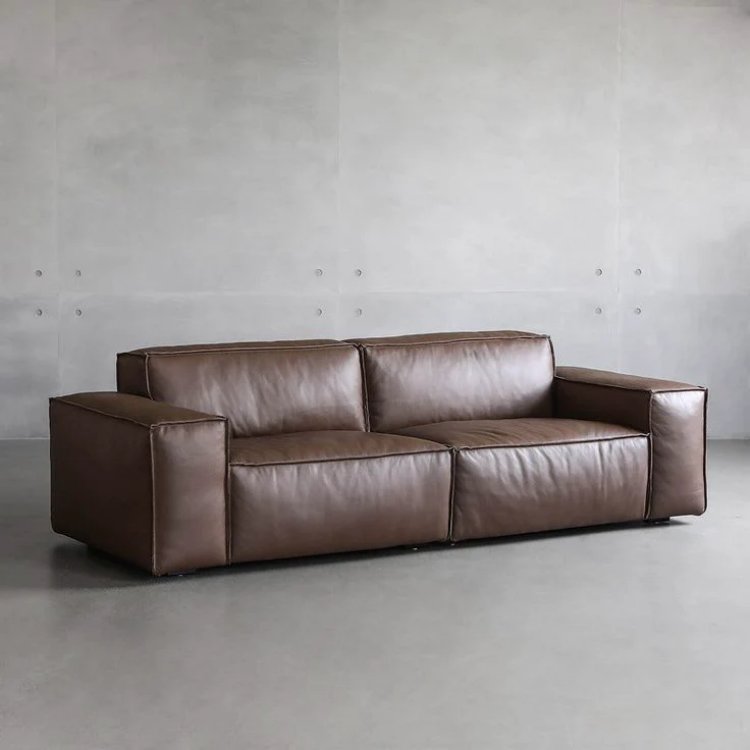
4. Silicone Leather for Furniture: The End of the “Permanent Marker” Disaster
For public seating in airports or hotels, maintenance is the biggest cost. I’ve seen cleaners try to get ballpoint pen or permanent marker out of traditional fabrics—it’s impossible. With our sofa silicone leather, you can literally wipe off permanent marker with a dry cloth or a little water. No specialized cleaning crews required.
Custom Solutions for Your Production Line
As a silicone leather supplier, we know that one size doesn’t fit all. Your engineers need specific mechanical properties. We offer custom silicone leather development:
-
Custom Backing Fabrics: Need 4-way stretch for complex curves in silicone leather for shoes? We can use spandex or microfiber backings.
-
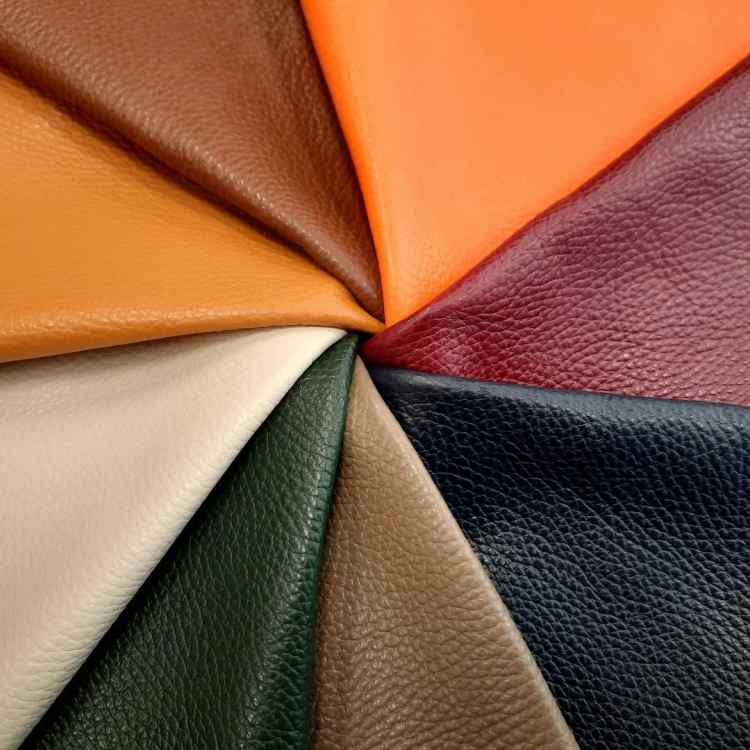
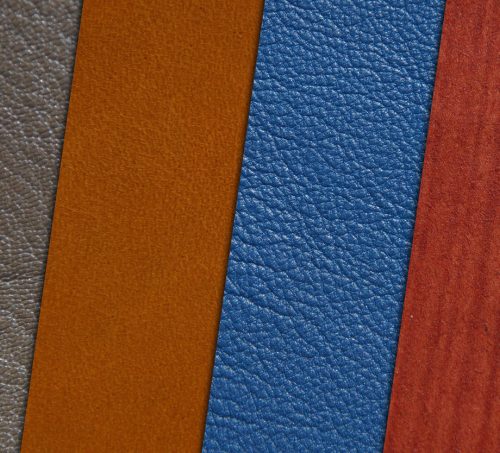
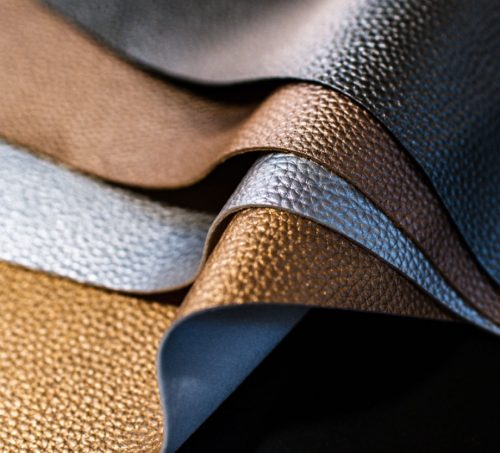
Custom Textures: From ultra-smooth matte for electronics silicone leather to heavy pebble grains for luxury silicone leather for bags.
-
Flame Specs: We can adjust the formula to meet aviation silicone leather standards (FAR 25.853) for aircraft interiors.
Why Procurement Teams Love Working With Us
When you source from a silicone leather factory like shalitetech, you aren’t just buying a roll of fabric. You’re buying a technical partnership.
-
Consistency: Our liquid silicone coating process is automated. Every single meter we ship comes out with the exact same thickness, color consistency, and tensile strength.
-
Compliance matters: We provide the full paperwork for REACH, RoHS, and OEKO-TEX so you’re always covered. Your legal team can rest easy.
-
Cost Efficiency: While the price per yard is higher than low-grade PVC, the “Total Cost of Ownership” is significantly lower. You eliminate the 3-year replacement cycle and slash your warranty claims.
Technical Q&A for the Sourcing Pros
Q1: Can I use my standard industrial machines to sew silicone leather?
A: Yes. However, because silicone has a high friction coefficient, you’ll want to use a walking foot machine and occasionally a silicone-specific needle or thread lubricant to prevent “drag.”
Q2: How does it handle “Denim Dye Transfer”?
A: This is a huge issue for white furniture. Upholstery silicone leather is incredibly good at resisting dye transfer. Even if some blue jean dye rubs off, a simple mild soap solution usually wipes it clean. In many cases, PU would have permanently bonded with that dye by the time you noticed it.
Q3: Is it safe for direct skin contact?
A: Absolutely. In fact, it’s the same base material found in medical tubing and baby bottle nipples. It’s eco friendly silicone leather that is hypoallergenic and free of plasticizers and heavy metals.
Q4: What is the lead time for custom OEM orders?
A: For custom silicone leather, we typically provide lab dips in 7 days and bulk production in 15-21 days depending on the backing fabric requirements.
Q5: Can it be used for outdoor high-traffic seating?
A: Yes. It’s widely considered the gold standard for contract silicone leather. It won’t support mold or mildew growth, and honestly, rain and humidity don’t even faze it.
The Real Verdict: Is This Right for Your Project?
Look, if you’re building something that actually needs to look and feel “premium” beyond the two-year mark, silicone is pretty much your only real option. Stop wasting your budget on PU materials that will fail and trigger expensive recalls.
Whether you’re in the market for silicone leather for baby products, pet products, or high-end silicone leather for gloves, we have the technical formula ready.
Stop guessing and start testing. Contact shalitetech today. We’ll send you a technical sample kit so your engineers can try to destroy it themselves. They’ll be impressed. You’ll be relieved.
Related Products
| Application | Furniture |
|---|
Reviews
There are no reviews yet.