


Table of Contents
Let’s get straight to the point: yes, silicone leather absolutely crushes PU leather in almost every category that matters.
If you’re a designer or managing procurement, switching to silicone is a total game-changer. You’re getting a material that won’t peel after a season, handles stains like a pro and—most importantly—doesn’t leak nasty chemicals into your customers’ space. It solves the biggest headache we’ve had for decades in the synthetic fabric world: durability. While PU leather typically starts to crack or “hydrolyze” within two to five years, a good silicone material stays intact for a decade or more.
I’ve spent way too much time in factories and labs watching materials fail under stress. I’ve seen PU leather turn into a sticky, peeling mess in humid climates and crack just from being near a sunny window. That’s why we started focusing on silicone leather at shalitetech. It isn’t just a minor upgrade; it’s a completely different chemistry.
So, what exactly are we dealing with?
Let’s look at standard faux leathers, like PU or PVC. At their core, these are just rigid, petroleum-based plastics. They don’t have a natural softness or drape. To fix that, manufacturers are forced to pump them full of heavy solvents and plasticizers. The worst offender is DMF (Dimethylformamide)—a harsh chemical additive that makes the plastic pliable, but creates massive safety and compliance headaches for both the environment and the factory workers on the floor.
Silicone is a different animal. It’s an inorganic material derived from silica (essentially sand). At shalitetech, as a dedicated silicone leather manufacturer, we apply a pure 100% silicone layer onto a fabric backing. Since silicone is inorganic, it doesn’t really care about heat or humidity the way plastics do. It stays naturally soft without needing plasticizers so you won’t have to worry about the material getting stiff or brittle as time goes by.
Let’s look at the actual performance gap—because the data tells the real story.
When I talk to manufacturing partners, they want to see the numbers, not just a sales pitch. Let’s look at how pvc free silicone leather stacks up against high-end PU in the lab.
| Testing Metric | Standard PU Leather | Silicone Leather | Source/Standard |
| Hydrolysis (Peeling) | Usually 2–5 Years | 10+ Years (Zero peeling) | ISO 14194 |
| UV Resistance | 200 Hours (Starts yellowing) | 1,000+ Hours (Rock stable) | ASTM G154 |
| Abrasion Resistance | 30k–50k Cycles | 200,000+ Cycles | Martindale / ISO 12947 |
| Flame Retardancy | Needs heavy additives | Inherently high | FMVSS 302 / IMO |
| Skin Sensitivity | Risk of irritation | Hypoallergenic | ISO 10993-10 |
Why Hydrolysis Is the “PU Killer”
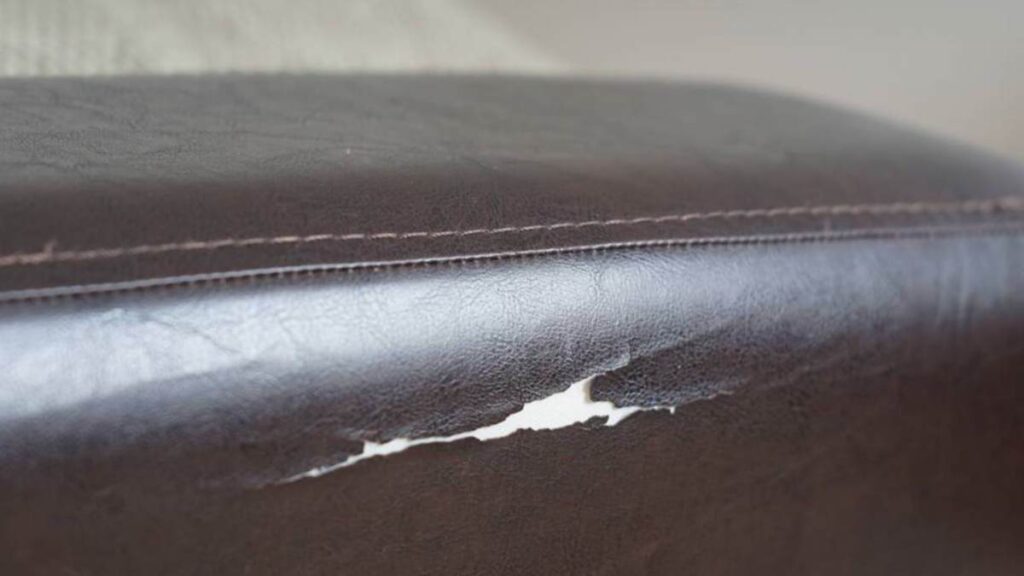
Ever notice a car seat or sofa peeling into tiny, annoying flakes? That’s hydrolysis in action. Basically, moisture and humidity in the air attack the chemical bonds in the PU coating. According to testing standards like ISO 14194, silicone leather shows zero breakdown even after weeks in high-heat, high-humidity “Jungle Test” chambers. Honestly, if you’re shipping gear to tropical areas or using it for marine silicone leather, this is really the only way to go.
Better for the Planet (and Your Brand)
Let’s talk business reality—environmental laws are tightening up every year. If you’re exporting to the US or Europe, you’re already dealing with REACH and RoHS. Using eco friendly silicone leather isn’t just about being “green” but it’s about keeping your supply chain safe from future bans.
Traditional PU production is a bit of a mess. It often relies on DMF, a solvent that is a known reproductive hazard. Our process is solvent-free. There is no water waste and no toxic air emissions. I always tell my clients that “Eco-friendly” isn’t just a marketing buzzword anymore; it’s a smart risk management strategy. By using vegan silicone leather, you’re ahead of the curve.
The “Stain-Proof” Miracle
I remember watching a client scribble with a permanent marker all over a white silicone sample. They left it for a full day. Usually, that’s a death sentence for furniture. But with silicone, they just wiped it clean with a dry towel. It’s all thanks to its incredibly low surface tension—stuff just can’t get a grip on it. Whether it’s coffee, red wine, or even blue jean dye transfer (a massive problem for light car seats), silicone resists it.
Here’s a quick tip from the field:
Forget the heavy-duty scrubbers. A simple microfiber cloth and some water will handle almost anything. And honestly? Stay away from “vinyl protectors” or silicone sprays. They usually just leave a weird film that actually attracts more dirt and oils over time.
Where Should You Actually Use It?
As a silicone leather factory, we see this material moving into spots where failure isn’t an option.
- Healthcare: Hospitals love healthcare silicone leather because it’s hypoallergenic and doesn’t crack when you hit it with heavy disinfectants. It’s passed the ISO 10993 biocompatibility tests with flying colors so it’s safe for long-term skin contact.
- Marine: Saltwater and UV rays destroy PU in a single season. Silicone doesn’t care about salt or sun. It’s also a huge win because it won’t support the growth of mold or that nasty “pink fungus” that tends to ruin boat seats.
- Automotive: Especially with the move toward electric vehicles, designers are obsessed with “clean” interiors. Silicone has ultra-low VOC (Volatile Organic Compounds) levels so you won’t have to deal with that harsh chemical “new car smell.”
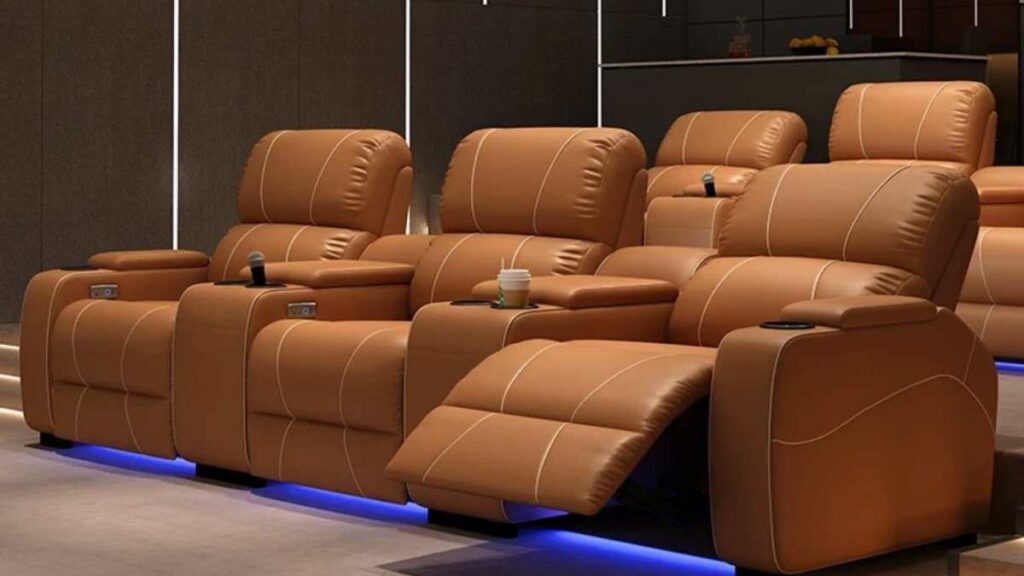
- Public Seating: For airports or theaters, silicone is a top choice since it’s naturally flame-retardant. You don’t need those toxic bromine-based fire retardants that are slowly being phased out of the industry anyway.
Is It More Expensive?
Let’s be real: silicone costs more upfront than PU. But as someone who solves material problems, I look at the total cost.
If you build a restaurant booth with PU and have to reupholster it in three years because it’s cracked and stained, you’ve spent way more than if you used silicone from the start. When you factor in fewer warranty claims and a much longer lifespan, silicone usually ends up being the cheaper option after a few years.
Ready to get started with some custom solutions?
I get it—transitioning to a completely new material can feel like a bit of a risk. We usually recommend starting with a small prototype. As a silicone leather supplier, we help you pick the right backing—maybe microfiber for a luxury feel or polyester if you’re watching the budget.
We can also handle custom silicone leather requests—you pick the grain, the color, and even the thickness to match your specific product design.
Pro tip for procurement:
Always demand a “Batch Test Report” for your specific order. Any solid manufacturer will back up their claims with actual ISO test reports for abrasion, UV, and fire resistance. Don’t settle for a sales pitch—ask to see the spec sheets.
Real-World Case: The Florida Boat Test
In Florida, the humidity and salt were literally eating the PU alive, causing it to delaminate and peel. We helped them switch over to our marine-grade silicone. Fast forward three years: those seats still look like they just came off the assembly line. They saved a small fortune on labor and their customers finally stopped calling to complain.
References & Standards
- FMVSS 302: How we measure flammability for interior materials.
- REACH (EC No 1907/2006): This is the big one for chemical safety standards in the EU.
- ISO 10993-10: These are the critical tests for skin irritation and sensitization.
FAQ: What Big Buyers Actually Ask
Q1. Is your silicone leather truly “green” or just marketing talk?
Actually, it’s as real as it gets. Our silicone is 100% solvent-free—no PVC, no phthalates, and zero heavy metals. It fully meets REACH and RoHS standards. Plus, since the material survives so much longer, you aren’t tossing it into a landfill every two years. That’s a huge win for actual sustainability.
Q2. Can it really handle industrial-grade disinfectants?
Yes, easily. It survives regular wipedowns with bleach, alcohol, and hydrogen peroxide without stiffening or cracking. It’s naturally suited for hospitals or anywhere else that requires constant, heavy-duty sanitation.
Q3. Does it feel rubbery?
Not even close. We’ve designed the texture to match the premium softness of Nappa leather. It also breathes significantly better than PVC, keeping you comfortable rather than sticky in hot weather.
Q4. How does it handle extreme cold?
Silicone is incredibly stable across the board. It stays flexible all the way down to -40°C and won’t break down even at 200°C. You won’t see it crack in the winter like many vinyl materials often do.
Q5. Why choose Shalitetech over a cheaper generic supplier?
It really comes down to whether you want to deal with constant returns. At shalitetech, we manage the whole production chain from start to finish. We focus on making sure that silicone-to-fabric bond is permanent. You won’t see the “bubbling” or delamination that usually happens when people use cheap, knock-off silicone products.