


Table of Contents
100% silicone leather operates entirely differently than standard synthetics. Instead of petroleum, it relies on silica (sand). We completely bypass PVC, PU, and toxic solvents. The result is a surface that refuses to peel or off-gas, all while cutting down your environmental footprint. For anyone managing large projects, this finally kills off the “planned obsolescence” that makes traditional synthetics so frustrating.
I’ve been solving material puzzles for years, and the story is usually the same. A procurement manager picks a “premium” PU leather for a car fleet or a hospital, and three years later, it looks like a cracked desert floor. That’s why silicone leather products are such a big deal right now. They don’t just look the part; they actually survive.
Why 100% Silicone Leather is Taking Over
A lot of people assume all faux leathers are cut from the same cloth. They really aren’t. Most traditional PVC and PU options have to stay flexible by using a cocktail of heavy chemicals. Over time, these “plasticizers” eventually leak out. That’s why your old car seats get stiff and start to split open.
100% silicone leather works differently. Since it’s an inorganic polymer, it stays soft all on its own without needing those chemical boosters. It’s naturally stable from day one.
Practical Performance for Commercial Specs:
- Heavy wear resistance: High-traffic zones won’t thin it out. It simply handles the abuse.
- Chemical tolerance: Clean it with pure bleach or alcohol. The pigment stays locked in.
- UV and heat stability: It refuses to fade or bake in direct sunlight. That is exactly what makes it a reliable outdoor silicone leather.
- Zero irritation: It’s hypoallergenic and FDA-compliant, making it the go-to for medical silicone leather.

Expert Insight: When I’m talking to automotive designers, they always worry about “fogging”—that oily film on the inside of windshields. That’s just chemicals from the seats evaporating. Since 100% silicone leather has zero VOCs, you get no fogging and zero “chemical” smell.
Spotting the Real Deal
As silicone gets more popular, you’ll see some suppliers cutting corners by mixing it with PU. Here’s how to tell if you’re getting the real thing from a silicone leather factory.
1. The Burn Test
If you want the truth, just light a small piece. Genuine 100% silicone leather gives off a clean white smoke and turns into a crumbly white ash. It doesn’t melt like plastic. Hybrids will smoke black, smell terrible, and drip like a burning candle.
2. The Solvent Test
Try rubbing it with pure alcohol or a bit of acetone. Real silicone won’t react. A PU blend will usually get sticky or lose its color immediately. This is why medical silicone leather is such a hit; hospitals can disinfect it all day without ruining the finish.
3. The Temperature Feel
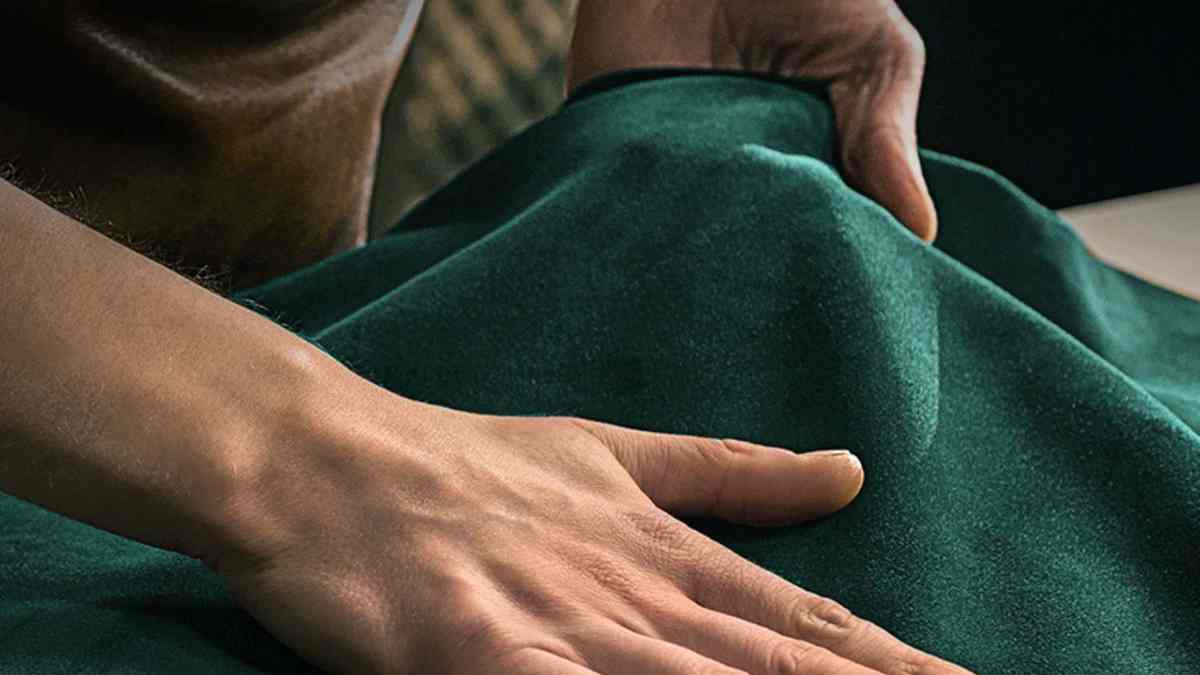
Silicone has this “skin-like” silky touch. Unlike PVC, it doesn’t feel like an ice block in winter or get sticky against your legs in the summer. It stays neutral regardless of the weather.
Comparison: Silicone vs. The Rest
| Property | 100% Silicone Leather | PU (Polyurethane) | PVC (Vinyl) |
| Lifespan | 10+ Years | 2-5 Years | 3-5 Years |
| Eco-Friendly | Very High | Moderate | Low |
| Will it Crack? | No | Usually | No |
Smart Sourcing Strategy
Don’t skip the certificates. Never just take a salesperson’s word for it. Always ask for REACH and RoHS documents. The European Chemicals Agency (ECHA) uses these to prove a material is free from hazardous junk like phthalates.
Do an “Ink Test.” Top-tier upholstery silicone leather should let you wipe off permanent marker with just a dry cloth or a little water. If it leaves a “ghost” stain, it’s not the high-grade silicone you’re looking for.
Look at the backing. The overall strength often comes down to what’s underneath. Whether you need polyester, microfiber, or cotton, make sure that backing actually fits how you’re going to use the leather.
Why Major Brands Lean on Shalitetech
At Shalitetech, we care about the “why” as much as the “what.” We know a furniture brand doesn’t just want eco friendly silicone leather; they want to stop dealing with warranty claims and expensive returns.
Our pvc free silicone leather is built to pass the toughest environmental tests. We’ve seen it used everywhere from luxury yacht decks to pediatric wards. The common thread? It just works.
Marine Case Study:
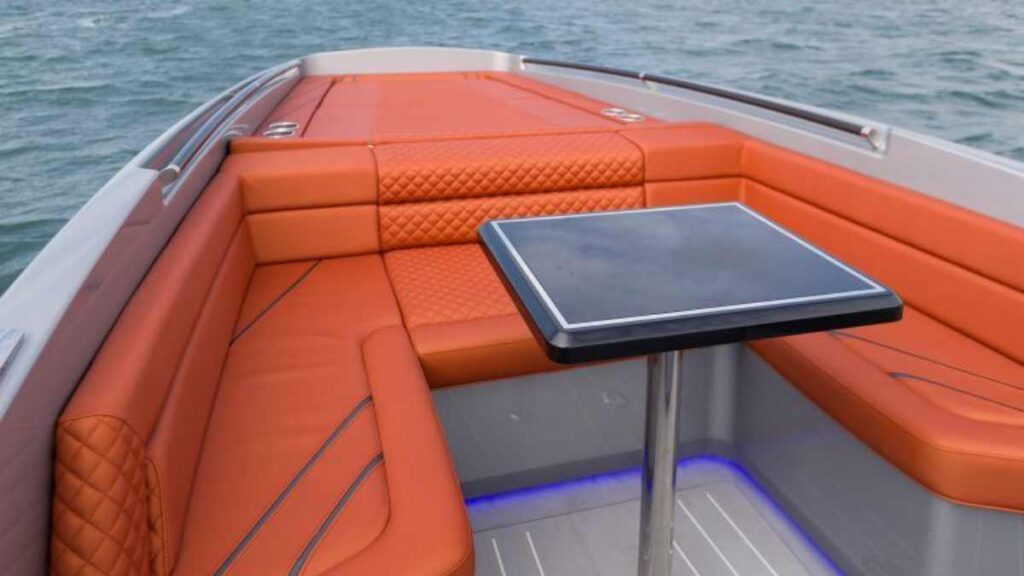
A client in Florida was re-doing their rental boat fleet every two years because of sun rot. We switched them to our marine silicone. Four years later, they still look new—no “pinking” (that pink fungal stain common in vinyl) and zero cracking.
Hard Metrics for Environmental Compliance
Commercial buyers must hit strict ESG targets. Standard tanning drains water resources and relies heavily on chromium. PVC production is even worse, releasing dioxins that Greenpeace has labeled some of the most toxic stuff on the planet.
Vegan silicone leather is the clean way out. You bypass animal agriculture completely, and the factory footprint requires drastically less water and energy than standard synthetics.
FAQ: What Buyers Actually Ask
Q1: Does silicone leather break down?
It is not compostable, yet disposal is straightforward. You can recycle it or safely incinerate it with zero toxic off-gassing. It also bypasses the microplastic shedding cycle entirely, a major issue with degrading PU.
Q2: Can we get custom colors?
Definitely. If you need a specific vibe, our custom silicone leather services can match any Pantone color and create unique grains to make your product stand out.
Q3: How does it handle the heat?
This is where it wins. It stays stable from -50°C all the way to +200°C. This makes automotive silicone leather the safest bet for cars left in the sun—it won’t smell or degrade.
Q4: Is it safe for medical use?
Totally. Silicone is biocompatible—the same stuff used in heart valves. Our healthcare silicone leather won’t irritate skin and it doesn’t give bacteria or mold a place to grow.
Q5: Is it hard to maintain?
Hardly. Most stains wipe away with a damp cloth. For public spaces, you can use hospital-grade cleaners without worrying about the surface getting hard or peeling off.
Final Thoughts
Moving to 100% silicone leather is just a smart business move. You aren’t just buying a textile; you’re investing in something that stays functional and beautiful for a decade. Whether you’re in automotive, marine, or medical, the results are the same: it’s better for people and better for the world.
Ready to raise your material standards? Shalitetech has the expertise and the supply to get you there.