


Table of Contents
If you’re looking for a material that doesn’t peel, has zero chemical smell, and won’t leave you apologizing to your customers in a year, silicone-coated fabric is the move. I’ve seen it all in this industry, so I’m putting my experience at Shalitetech to use by sharing the real deal on silicone-coated fabric with you. Choosing silicone leather means you’re essentially buying peace of mind; it stays soft for over a decade, ignores the toughest stains, and skips the toxic chemicals entirely.
What Exactly Is Silicone-Coated Fabric?
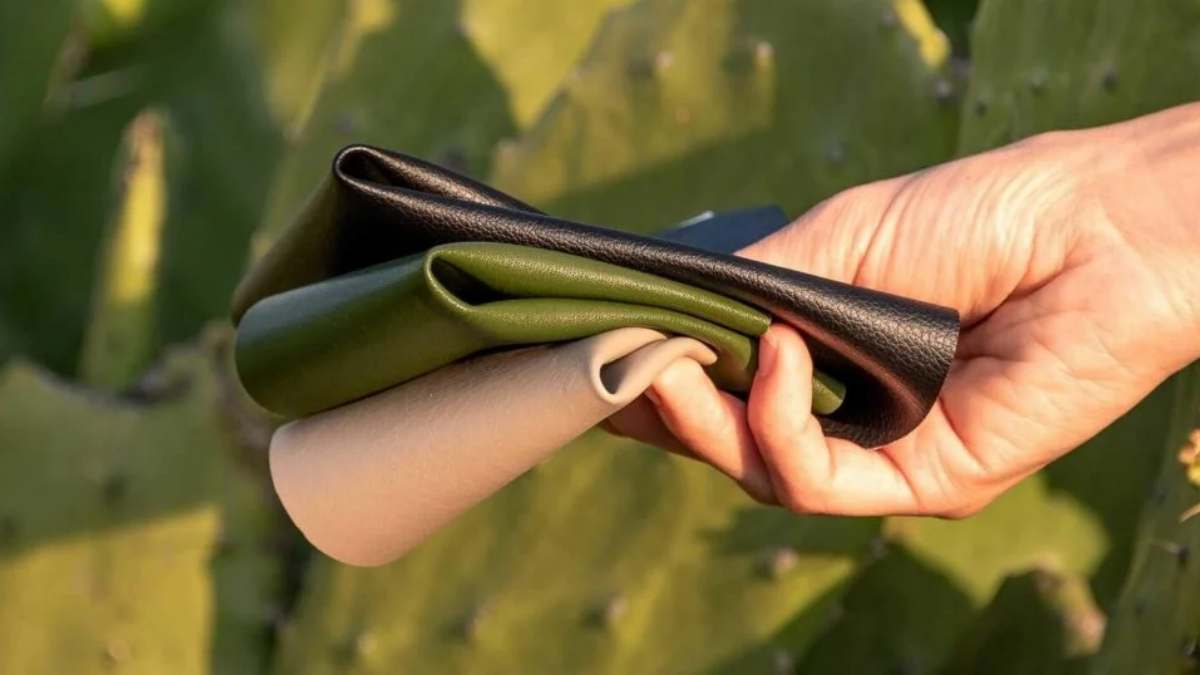
So, what are we actually looking at here? At its simplest, think of this material as a high-performance “sandwich.” We start with a tough base—usually something like polyester or microfiber—then we layer on liquid silicone rubber to give it those superhero properties.
It’s not like those old synthetic leathers you’re used to. We’ve ditched the solvents and plasticizers entirely. While most stuff is made from petroleum, silicone is derived from silica—basically, just plain old sand. This makes it a vegan silicone leather that is much kinder to the earth.
The Science of Why It Works
Here’s the big secret: silicone is inorganic. Why does that matter? Well, most plastics like PVC and PU are organic, which means they basically start rotting when they get too hot, wet, or hit by UV rays—a massive headache called hydrolysis. Silicone just doesn’t have that problem. It stays soft and flexible whether it’s sitting in a frozen tundra or a humid tropical jungle.
Expert Insight: It’s all about the bond. Silicone polymers keep their mechanical properties across a wild temperature range of -50°C to +200°C. No other flexible fabric coating can even come close to that.
Why Big Buyers Are Making the Switch
When you’re buying for a large company, you’re looking at more than just the price tag. You’re looking at risk. Here is why eco friendly silicone leather is the safest bet for your brand.
1. It’s “Bulletproof” Against Stains
I have seen kids with permanent markers destroy expensive sofas in seconds. Honestly, with silicone, you don’t even have to stress it. It has what we call “low surface energy,” which is a fancy way of saying it’s super slick. Ink, mustard, or that annoying denim dye transfer? They usually just wipe right off with a damp cloth or a little water.
Pro Tip: Never trust a sales rep’s promise. Draw on a swatch with a permanent marker and leave it overnight. If it won’t come clean after 24 hours, you’re probably not looking at the high-quality silicone you need.
2. Skin Safety and Health
In hospitals or homes, people’s skin touches these surfaces for hours. You’ll find this exact same stuff in baby bottle nipples and hospital tubing. It’s hypoallergenic, so you won’t deal with skin rashes or that chemical “new car smell” that usually fills a room.
3. Flame Resistance Without the Poison
The chemicals in standard FR fabrics are often pretty nasty and toxic. The cool thing about silicone is that it’s naturally fire-resistant. It hits those tough standards like FMVSS 302 for cars and CA TB117-2013 for furniture without us having to add any extra toxic junk.
Performance Comparison: The Numbers Don’t Lie
I like to let the data speak. When we test our materials at Shalitetech, we look at how they handle real-world abuse compared to the old standards.
| Feature | Silicone Coated Fabric | Standard PU Leather | Vinyl (PVC) |
| Durability (Years) | 10+ | 2-4 | 3-5 |
| VOC Emissions | None | High | Very High |
| Hydrolysis Resistance | No limit | Fails at 5-7 weeks | Fails at 8-10 weeks |
| UV Resistance | 1,000+ Hours | 200 Hours | 300 Hours |
| Cold Crack Resistance | -40°F (No crack) | 0°F (Cracks) | 10°F (Cracks) |
Where Should You Use It?
As a silicone leather manufacturer, I see this material going into areas where failing just isn’t an option.
Marine and Outdoor
Saltwater and sun are the natural enemies of leather. You won’t see silicone growing mold or turning that ugly yellow color in the sun. If you’re doing yacht interiors or high-end patio sets, this is your best friend.

Healthcare and Medical
Hospitals are brutal on furniture with all that bleach and heavy disinfectant. Usually, those chemicals just shred PU leather, leaving cracks where bacteria love to hide. Since silicone is chemically inert, you can scrub it down with hospital-grade cleaners all day long and it’ll still look brand new.
Public Transport and Automotive
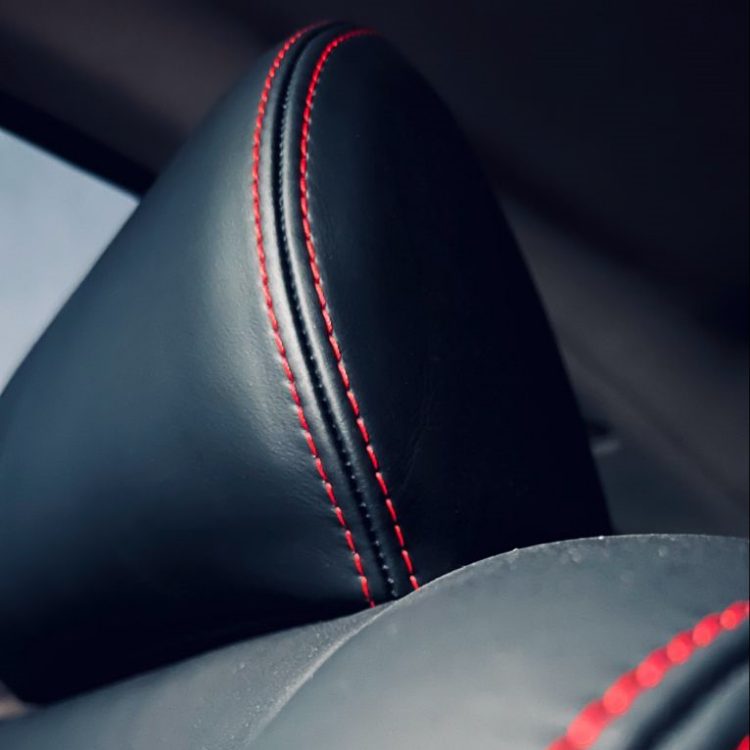
Think about the thousands of people sliding in and out of bus seats or car interiors. You need “high-traffic” durability. Our silicone easily clears 200,000 cycles on the Martindale rub test—that’s a massive amount of “sits” before you ever see wear.
Best Practice for Logistics: When you’re ordering for a massive project, check the weight. Silicone is often lighter than PVC. Over a large contract, those shipping savings add up fast.
Sourcing Steps
Moving to a new material always carries some risk. You can eliminate most of that by just sticking to the basics. Here is what you need to lock down for a production run:
- Confirm the grain: Tell us if you need a soft lambskin touch or a rigid cowhide finish. We adjust the surface molds to hit your exact requirements.
- Check the TDS: Get the technical data sheet and look straight at the physical properties—specifically tear strength and long-term colorfastness.
- Verify compliance: Ensure your pvc free silicone leather clears REACH and RoHS. If you skip this, expect customs delays.
- Real sustainability: Big buyers talk a lot about “Zero Waste.” Because this stuff actually lasts for a decade, it stays out of the trash. That is the only practical way to be eco-friendly.
Solving Common Problems
I’ve heard the complaints—buyers sometimes worry silicone feels “rubbery” or too grippy. Maybe ten years ago, sure. But at Shalitetech, we’ve developed a special top-coat that gives it a silky, high-end leather feel without any of that annoying stickiness.
One other thing people worry about is how the seams hold up. Because silicone is so flexible, you just need the right tools.
Best Practice for Production: Use a rounded point needle and a nylon thread when sewing. It prevents that “postage stamp” effect where the fabric tears along the stitch line under pressure.
FAQ for Big Clients and Procurement Teams
Q1. Do we use “Forever Chemicals” like PFAS or PFOA?
Absolutely not. That’s actually a huge reason why the big retailers are knocking on our door—our silicone leather is totally PFAS-free. It’s one of the cleanest options you can find today.
Q2. How does it handle extreme heat in a locked car?
You know how vinyl gets hot enough to burn you in the summer or leaves that oily film on the windshield? Silicone doesn’t do that. It stays stable and won’t off-gas or warp, even when the inside of a car hits 150°F.
Q3. Is silicone really more eco-friendly than recycled PU?
In many cases, yes. Making silicone has a much smaller carbon footprint since we don’t need those massive, high-heat ovens to bake out solvents. Plus, it lasts so long you’re basically buying it once instead of replacing it three times.
Q4. Can you match our specific brand colors?
We do custom silicone leather work all the time. We can hit any Pantone color you want and, more importantly, keep it exactly the same across every single yard we ship.
Q5. Is it actually recyclable?
While you can’t just turn it back into fabric easily, old silicone can be ground up for things like playground mats or insulation. But honestly, its biggest environmental win is that 10-to-15-year lifespan which slashes total consumption.
Final Thoughts from the Expert
Buying material isn’t just about the price per yard; it’s about the cost of a recall. We’re here to help you catch problems before they even start. If you need something that’s safe enough for a nursery but tough enough for the open ocean—all while being kind to the planet—silicone-coated fabric is really the only way to go.