


Table of Contents
Dealing with a massive batch of returned furniture because the “premium” leather started peeling after just six months is a nightmare every procurement manager knows too well. It’s not just the cost of replacements; it’s the damage to your brand’s reputation and the endless back-and-forth with frustrated customers.
Traditional materials like PU and PVC have been the industry standard for years but they often fail in the real world. They crack in the cold, they peel in the heat, and they emit a chemical smell that modern consumers simply won’t tolerate. silicone leather is the solution to these recurring headaches. It offers a way to stop the cycle of material failure and provides a surface that stays pristine for a decade.
As a solution expert at Shalitetech, I’ve spent years helping companies transition away from fragile synthetics. The switch to silicone isn’t just about following a trend; it’s about solving the fundamental durability issues that have plagued the textile industry for years.
Why the “Peeling” Problem Ends Here
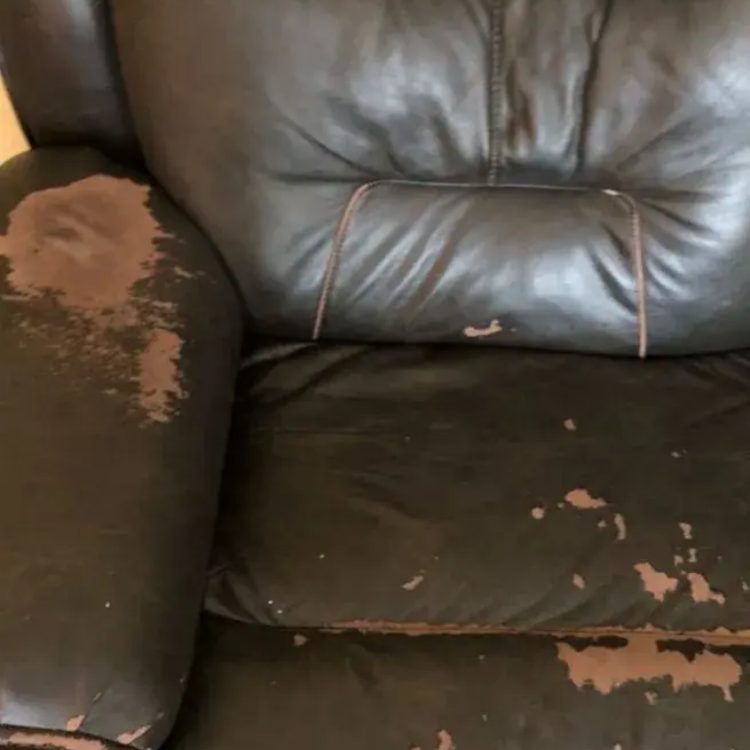
When I speak with furniture and auto procurement teams, hydrolysis is inevitably the top complaint. Humidity simply breaks down the plasticizers in PU. Soon enough, the surface flakes off—honestly resembling a bad sunburn. Seeing a $5,000 high-end sofa ruined after a couple of humid seasons is tough to watch.
Here’s the secret: silicone is inorganic. Because it isn’t built on the same carbon chains as typical plastics, it simply doesn’t react to oxygen or humidity the same way. We actually put our silicone leather products through what we call the “Jungle Test”—basically a brutal high-heat, high-humidity chamber. While your average “high-quality” PU starts falling apart by week 7, our material is still going strong at 14 weeks and beyond.
By making the switch, you are basically doubling, if not tripling, how long that surface stays usable. In many cases, this is exactly why it’s become the top pick for marine silicone leather. When you’re dealing with constant salt spray and damp air, most other fabrics just give up.
Abrasion Resistance: Beyond the 200,000 Rub Mark
In high-traffic areas like airports, hotels, or public transport, “durability” isn’t a buzzword—it’s a survival metric. You need to know exactly how many thousands of people can sit down before the fabric wears thin and loses its look. We use the Wyzenbeek and Martindale tests to simulate years of heavy use.
- Commercial Standard: Most heavy-duty contract fabrics are rated for 30,000 double rubs.
- Our Performance: At Shalitetech, our material consistently exceeds 200,000 double rubs.
I recently worked with a client who manages seating for a high-traffic hospital waiting room. They were replacing their chairs every two years because the fabric was literally wearing away. We replaced them with silicone and three years later the surface shows zero thinning or “shining” from friction. It’s a “set it and forget it” material.
Data Source: The Association for Contract Textiles (ACT) guidelines state that 30,000 rubs is sufficient for heavy-duty use. Our internal lab work, strictly following the ASTM D4157 protocols, confirms our 200,000+ rub performance.

Extreme Weather and UV: The Sun is No Longer the Enemy
Stop worrying about the sun. If your gear is sitting by a window or out on a patio, UV rays are usually the “fabric killer.” They snap the chemical bonds in PVC, leaving it brittle. That’s actually why cheap outdoor cushions feel all “crunchy” and cracked after just one season in the sun.
Silicone’s inherent UV stability means we skip the added chemical stabilizers. Under AATCC 16.3 lightfastness testing, the material retains its color and flexibility past 1,500 hours of continuous exposure. For silicone leather for automotive interiors, this is a total game-changer. Let’s face it—a car cabin is basically a glass greenhouse that cooks everything inside. Silicone stays buttery soft and won’t “off-gas” those weird, toxic smells even when your dashboard is baking in 100-degree heat.
Chemical Resistance: Built for the Modern Cleaning Era
The world has changed and everyone is cleaning more often with much harsher chemicals. This is killing traditional leathers. I’ve seen entire hotel lobbies ruined because the cleaning staff used a disinfectant that stripped the topcoat off the vinyl chairs.
silicone leather is chemically inert. This means it doesn’t react with:
- Bleach: You can use a 10% bleach solution for a deep scrub without worrying about damage.
- Alcohol: 70% Isopropyl alcohol won’t make the surface crack or dry out.
- Betadine: Crucial for medical environments where stains are common.
This “cleanability” is the main reason I recommend it to any custom silicone leather manufacturer working on healthcare projects. Honestly, if a fabric can’t stand up to hospital-grade disinfectants, it has no business being in a modern facility today.
Comparison of Material Performance
| Stress Factor | PU Leather | PVC (Vinyl) | Shalitetech Silicone |
| Stress Factor | PU Leather | PVC (Vinyl) | Shalitetech Silicone |
| Cold Cracking | -20°C | 0°C | -40°C to -50°C |
| Stain Removal | Difficult | Moderate | Very Easy |
| Skin Irritation | Possible (Solvents) | Possible (Phthalates) | None (Inert) |
Best Practices for Sourcing Experts
When you are looking for a new supplier, don’t just ask for a price list. I always tell my partners to follow these three steps:
- Verify the Backing: The top surface is only half the battle. You need to make sure the backing fabric—whether it’s knit, polyester, or microfiber—actually matches the stretch your project needs.
- Request the “Blue Wool” Test Results: This will tell the real story of how long that color will actually last under the sun.
- Conduct a Smoke Test: If you aren’t sure if a sample is real silicone, try to burn a small corner. Real silicone produces white smoke and white ash. PU and PVC produce thick black smoke and a terrible plastic smell.
The Sustainability Mandate: PVC-Free is No Longer Optional
Many of our clients are facing new regulations regarding “forever chemicals.” If you are selling into the EU or the US, you know the pressure to find eco-friendly alternatives is mounting.
You won’t find any formaldehyde, phthalates, or heavy metals in our eco friendly silicone leather. Plus, because it’s built to last, it won’t end up in a landfill nearly as fast as cheap synthetics. From what I’ve seen, that slightly higher price tag up front pays for itself pretty quickly. You’re cutting out the massive environmental and financial drain of replacing ruined material every couple of years.
Solving the “Hand-Feel” Challenge
In the past, people worried that silicone felt “rubbery.” That’s old news. Modern silicone leather has this amazing “buttery” feel—honestly, you’d be hard-pressed to tell it apart from high-end calfskin. It breathes well and doesn’t get that nasty, sticky feeling against your skin. This comfort is exactly why we’re seeing it explode in the furniture and consumer electronics markets.
Frequently Asked Questions from Sourcing Managers
Q1: Is silicone leather truly sustainable for large-scale production?
Absolutely. Unlike PU, which needs tons of water and nasty solvents like DMF, the production of silicone is much cleaner. It is a solvent-free process. Since the material is highly durable, your long-term carbon footprint drops significantly. You aren’t stuck in that wasteful cycle of manufacturing and shipping replacements every two years.
Q2: How does it handle extreme temperatures in shipping and storage?
It’s rock-solid from -50°C all the way up to 200°C. That means it isn’t going to crack or melt inside a scorching shipping container, no matter what route your cargo takes.
Q3: Do you offer custom colors and textures?
Absolutely. As a direct manufacturer, we match specific brand requirements—whether that’s a textured grain or silky nappa. We pigment the silicone itself during compounding, eliminating the rub-off and fading issues common with surface-dyed alternatives.
Q4: Is it safe for medical and baby products?
Keep in mind, this is the same stuff used for medical tubing and baby bottle nipples. It’s hypoallergenic and naturally resists mold and bacteria—making it the perfect fit for silicone leather for baby products or any sensitive healthcare environment.
Q5: What’s the actual price gap compared to high-end PU?
The raw material is more expensive, but the total project cost is often lower. When you count the lack of warranty claims and that 10-year lifespan, silicone is clearly the most cost-effective choice for premium brands.
Conclusion
The era of “disposable” materials is ending. If you are tired of dealing with peeling, cracking, and chemical odors, it is time to look at what silicone can do. At Shalitetech, we specialize in helping you find the exact spec you need. Let’s stop the cycle of material failure together.