


Table of Contents
Let’s cut to the chase—the reason you’re looking at silicone leather is that it’s tougher than PU or PVC in nasty environments and it’s 100% non-toxic. If you want to get your product right, you’ve got to match the backing fabric to your product’s shape and the thickness to how it’s going to be used. Doing this right can actually cut your return rates by about 40% because you won’t have to deal with cracking, peeling, or that weird chemical smell.
I’ve spent years helping brands make the move from old-school synthetics to silicone. I’ve seen the mistakes—like using a stiff backing on a curved car seat—and I’ve seen the wins. Here’s my “field guide” to picking specs like a pro.
Why Everyone is Swapping to Silicone
Old-school synthetic leathers depend on plasticizers just to keep them from being stiff. But here’s the catch: those chemicals eventually leak out. When that happens, the leather gets brittle and starts to crack. Silicone works differently. It’s an inorganic polymer that stays soft because of how its molecules are built, not because of added oils.
The Sustainable Apparel Coalition’s Higg Index shows silicone materials have a significantly lower chemical impact than PVC, which relies on stabilizers and heavy metals.
Partnering with a silicone leather factory does more than just secure your materials—it safeguards your brand’s reputation.
1. Thickness: Finding the “Sweet Spot”
Thickness isn’t just about how long it lasts; it’s about the “hand feel” and how easy it is to sew. If it’s too thin, it feels cheap. If it’s too thick, your production team’s sewing machines are going to struggle.
| Application | Recommended Thickness | Why? |
| Electronics / Tablet Sleeves | 0.4mm – 0.6mm | For things like tablet sleeves, this range works best—it keeps everything sleek and light without adding bulk. |
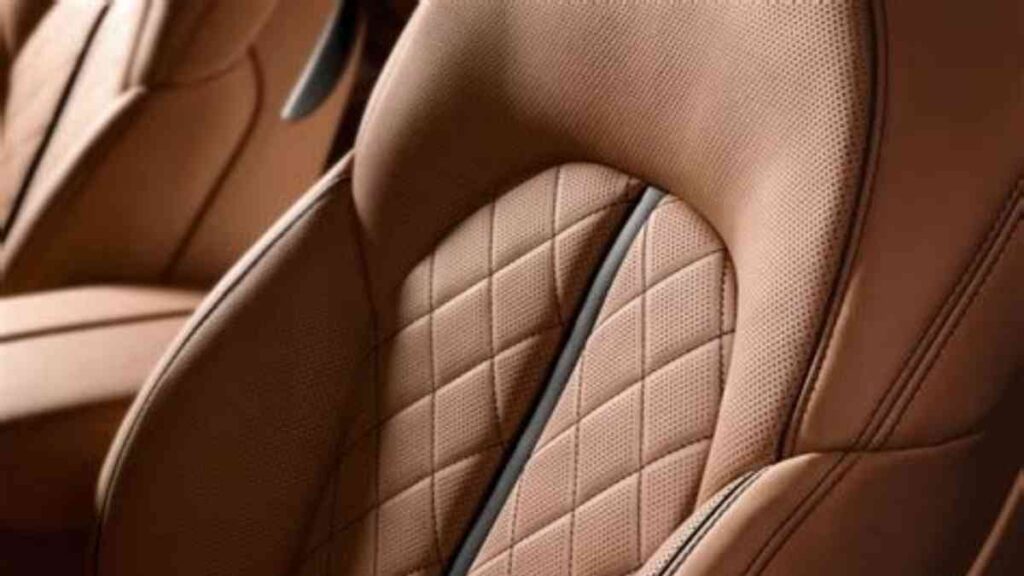
| silicone leather for car seats | 1.0mm – 1.2mm | This provides that “plump” luxury look and the high tensile strength needed for safety. |
| marine silicone leather | 1.1mm – 1.4mm | Usually, this is the way to go; that extra thickness is what handles the wind and salt spray. |
| silicone leather for sofa upholstery | 1.0mm – 1.2mm | It’s the perfect balance of being soft enough to sit on but tough enough to stop sagging over the years. |
Pro tip from my side: Always ask for a “swatch card” that shows the same grain at different thicknesses. It’s eye-opening. You’ll see right away how a 1.2mm pebble grain feels way more high-end than a thin 0.8mm version of the same pattern.
2. Backing Fabric: The “Engine” of the Leather
Think of the silicone layer as the beauty and the backing as the muscle. You can’t just pick one backing for every job.
- Microfiber Backing: This is your high-end choice. Actually, it mimics how real leather is built. If you’re working as a custom silicone leather manufacturer, you’d usually suggest microfiber for high-end car interiors. It’s all about that insane tear resistance.
- Polyester Knit: I call this the “stretch” king. If your furniture has a lot of curves or tight corners, you need a knit. It lets the material “give” so you don’t get ugly wrinkles.
- Woven Fabrics: Known for their stability, woven backings offer almost zero stretch. This makes them ideal for applications demanding strict shape retention, like flat wall panels or structured bags.
Case in point: a boat builder client of mine specifically required woven backing to maintain the structure of their curved captain’s chairs. Big mistake. Within three months, the seams were literally ripping apart because the fabric didn’t have enough “give.” Once we swapped it for a high-stretch knit, the problem disappeared overnight.
3. Texture and Grain: More Than Just Looks
Texture actually changes how easy it is to keep things clean. Silicone doesn’t like things sticking to it, which is great.
- Smooth/Matte: This is the go-to for medical silicone leather. Why? There are no “valleys” for bacteria to hide in, making it easy to sanitize.
- Deep Grain (Litchi/Pebble): Best for busy places like airports. Deeper grains are highly practical, easily masking the inevitable scuffs and scratches from long-term wear.
In many cases, silicone hits over 200,000 double rubs in those ASTM D4157 tests. But here’s a secret: smooth surfaces are actually a bit easier to clean than the really deep, aggressive grains.
4. Performance Metrics You Must Check
Don’t just take a salesman’s word for it. Look at the lab reports.
UV and Weather Resistance
If your product lives outside, the sun is your biggest problem. Standard PU usually turns yellow or just falls apart under UV light. Silicone is inherently UV-stable. Specify an ISO 105-B02 Grade 7 or 8 rating to ensure zero color fading, even after 1,000 hours of sun exposure.
Chemical Resistance
These days, everything gets sprayed with harsh cleaners. Most pvc free silicone leather handles 70% alcohol and even bleach without the surface getting sticky or “melting.”
Flame Retardancy
In the world of cars and planes, you’ve got to hit standards like FMVSS 302 or CA TB117-2013. The cool thing about silicone is it usually passes these tests without needing a bunch of toxic fire-retardant chemicals. That’s a massive win for anyone pushing for eco friendly silicone leather.
How to Get Started with Your Project
I always tell my clients to follow this simple 3-step check:
- The “Stretch” Test: Take a sample of what you use now and pull it. If it stretches 15% but your silicone sample only moves 5%, your sewing team is going to have a hard time. Match the stretch to your existing patterns.
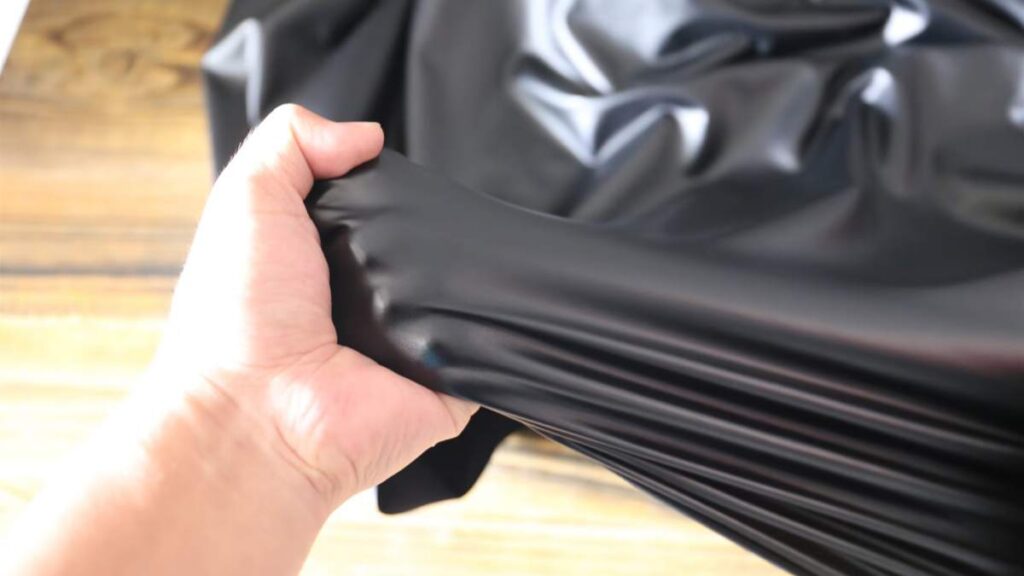
- The “Ink” Test: Scribble on a sample with a permanent marker. Wait 5 minutes. If it wipes off with a wet cloth, you’ve got the good stuff.
- The “Environmental” Audit: Ask for REACH and RoHS papers. True silicone shouldn’t have any phthalates, lead, or formaldehyde hiding in it.
FAQ: What Big Clients Actually Ask
Q1. Is silicone leather really more sustainable than “Apple” or “Cactus” leather?
Most of those “plant” leathers actually use quite a bit of PU just to hold everything together. Silicone is different—it’s a one-material solution that doesn’t need petroleum-based plasticizers to work. Plus, it lasts much longer, which is the real key to sustainability.
Q2. Can we change how the surface feels or “grips”?
Definitely. We have clients who want a “tacky” grip for gym gear and others who want that silky-smooth touch for high-end sofas. We can tweak the top coat to get the friction right without hurting the material’s lifespan.
Q3. How does it handle extreme cold?
Silicone is pretty much the king of temperature ranges. While PVC gets brittle and cracks at -20°C, high-quality silicone stays flexible even at -40°C. If you’re making gear for cold climates, this is your best bet.
Q4. Does it contribute to “New Car Smell” (VOCs)?
A huge reason car brands are switching over is that silicone has almost zero VOC emissions. It’s the easiest way to pass those tough in-cabin air quality tests and keep the air clean.
Q5. Is it safe for skin contact?
You bet. Silicone is what we call biocompatible—think of the stuff they use for baby bottle nipples. It won’t give you a rash or irritate your skin, which is a big deal for furniture where people might be sitting for hours.
Final Thoughts
Picking the right material really comes down to the questions you ask. Don’t just focus on “how much per yard.” Instead, ask “how’s this going to look after five years in the sun?” or “can we use bleach to clean it?”
At Shalitetech, we live and breathe the technical side of custom silicone leather. We aren’t just here to sell you rolls of fabric; we’re here to help you build something that won’t fail once it’s in your customers’ hands.