

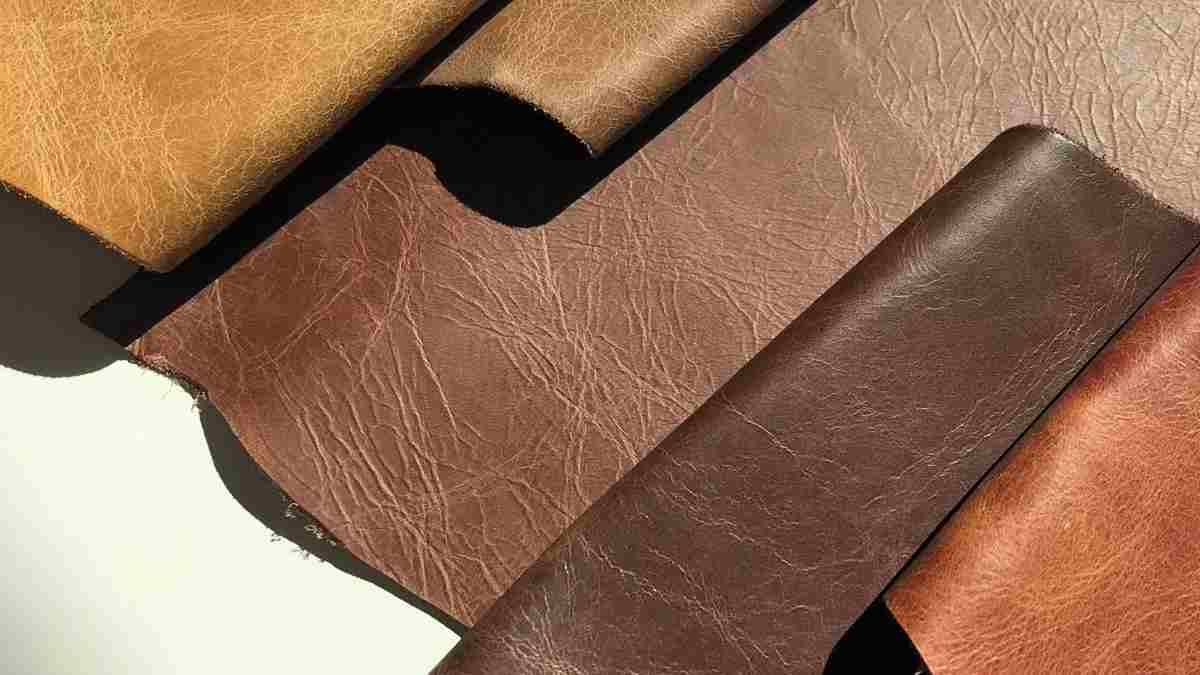

Table of Contents
Let’s cut to the chase—if your project needs to last for years, handle a real mess, and stay safe, silicone leather is your best bet. On the flip side, if you’re chasing that ultra-specific touch of premium animal suede or nappa, microfiber leather usually hits that mark better.
Going with silicone leather basically means you can stop stressing over “denim bleed” ruining a light-colored sofa or watching your expensive material start peeling because it sat in the sun for a few seasons. It saves you massive amounts of money on replacement costs and warranty claims, especially for high-traffic projects.
I’ve spent the last ten years in the thick of it, helping brands find the right fit. Honestly? I’ve seen amazing designs thrive and others crash. Most of the failures happen because the material looked great in a clean showroom but just couldn’t handle actual life. Here is my deep dive into why these two materials are so different and which one you should actually put your money on.
How I Realized Silicone Was a Game Changer
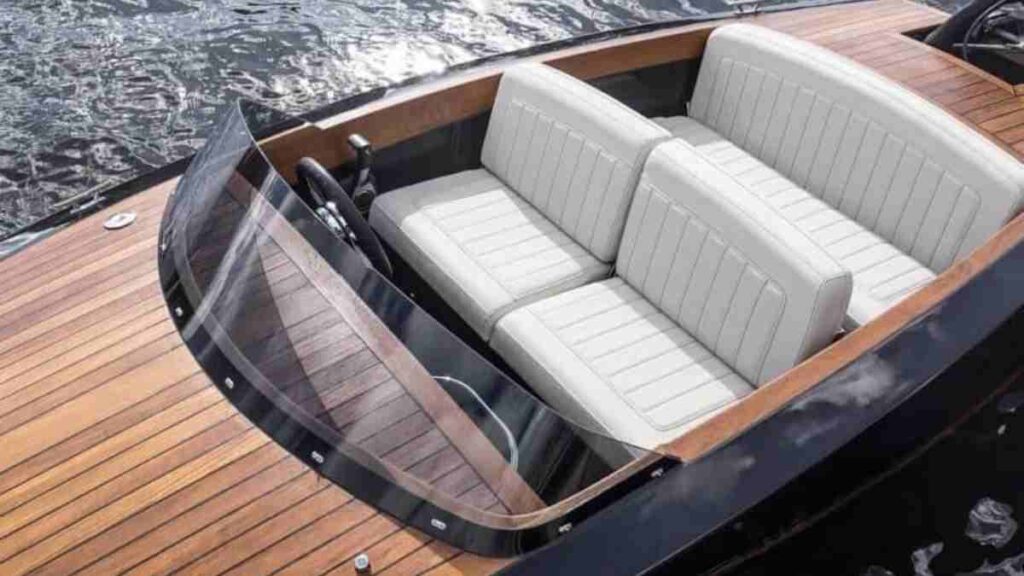
A while back, a client of mine was building luxury yacht seats. They’d picked a high-end microfiber leather because, frankly, it felt incredible to the touch. But within a year, the salt air and constant sun caused the surface to crack. The “hydrolysis”—which is just a fancy way of saying the plastic coating broke down—completely ruined the interior.
That’s when we at Shalitetech stepped in and introduced them to silicone leather for boat seats. It did way more than just fix the cracks; it actually saved their brand reputation. Since silicone leather is built from silica (basically sand), things like salt air and harsh UV rays just don’t phase it.
The Core Differences: Science Simplified
If you want to know why one stands up and the other falls down, you’ve got to look under the hood at what they’re actually made of.
1. The Structure
Microfiber leather is basically a two-part setup. You’ve got a non-woven fiber base built to replicate natural leather’s collagen, all capped off with a polyurethane (PU) surface layer.
Silicone leather is built differently. We use a high-performance silicone coating on top of various base fabrics. Here’s the thing: silicone leather isn’t a plastic. It’s a polymer that stays rock solid in temperatures that would make PU either melt or get so brittle it just snaps.
2. The Green Factor: Where They Really Diverge
Actually, quite a lot of microfiber leather production relies on solvents like DMF (Dimethylformamide) to get the job done. If you’re a brand trying to hit ESG goals, this is a headache. According to the European Chemicals Agency (ECHA), DMF is a substance of very high concern.
On the other hand, eco friendly silicone leather is totally solvent-free. You won’t find any VOCs (Volatile Organic Compounds) off-gassing in your car or office. It’s easily the cleanest synthetic material I’ve ever worked with.
Comparison at a Glance
| Feature | Silicone Leather | Microfiber Leather |
| Cleaning | Ink, wine, and oil wipe off with just water. | You’ll often need specific chemical cleaners for the tough stuff. |
| UV Resistance | 10+ years without it losing its color. | Fades and gets brittle in direct sun. |
| Skin Sensitivity | Hypoallergenic (same as baby nipples). | It might bug people with super sensitive skin. |
| Sustainability | Completely pvc free silicone leather, no solvents, and recyclable. | Contains PU and often uses chemical solvents. |
| Best Use | Hospitals, Boats, Outdoor, Kids’ areas. | High-end fashion, luxury indoor shoes. |
Why Big Brands are Moving to Silicone
I was just working with a big hospital group on their seating. We went with silicone leather for healthcare seating for one simple reason: disinfectants. Those harsh hospital chemicals will eat through a microfiber or PU top layer in months. Silicone is chemically inert—it doesn’t react. You can scrub it with bleach dilutions, and it looks brand new.

Best Practice: The “Pen Test”
Before you commit to a bulk order, do what I do. Take a permanent marker and a ballpoint pen. Scribble on a sample of microfiber and a sample of silicone leather.
- With microfiber, that ink is likely going to soak right into the pores.
- But on silicone? You can usually just wipe it away with a cloth or a tiny bit of alcohol, and the surface stays perfect.
Durability: It’s Not Just About Rub Tests
Sure, microfiber is tough on paper—it often hits over 100,000 cycles on those rub tests. But abrasion isn’t usually what kills a product. It’s “flex fatigue” and environmental stress.
Microfiber leather often peels over time when the adhesive holding the PU top to the base gives out. Silicone doesn’t have this problem; its heat-curing process creates a permanently stable bond. This peeling issue is a deal-breaker for microfiber in car interiors, where seats have to survive constant friction and intense summer heat.
“Basically, silicone polymers have this amazing thermal stability. They don’t mind the weather, which makes them a clear winner for anything sitting outdoors or in crazy temperatures.”
How to Start Your Project with Shalitetech
If you’re designing for kids, the outdoors, or spaces that see daily scrubbing, you need a silicone leather manufacturer who truly understands the real-world abuse your material will take.
- Start by defining the exact application: indoors, outdoors, or medical?
- Next, request physical samples. You can’t rely on a monitor; you must physically evaluate the material’s “hand.” Quality silicone delivers a soft, skin-like texture rather than a tacky plastic feel.
- Lastly, verify the compliance documents. Passing OEKO-TEX Standard 100 is your guarantee that the batch is entirely free of toxic chemicals.
FAQ for Major Buyers
Q1. Is your silicone leather truly eco-friendly?
Yes. Unlike traditional synthetics, our process uses no water and no solvents. Plus, it hits those REACH and RoHS standards—basically the gold standard if you care about chemical safety.
Q2. What about that annoying “denim dye transfer”?
It’s the top complaint for light furniture. Luckily, silicone leather has high surface tension. The dye can’t really “sink in,” so you just wipe it away.
Q3. Can we customize the look?
Absolutely. As a custom silicone leather manufacturer, we can emboss pretty much any texture you want, from a smooth Nappa to a rough pebble grain. And since we mix the color right into the silicone, it won’t just rub off over time.
Q4. Is it fire-safe for commercial use?
You bet. Silicone is naturally flame-resistant, so it doesn’t need those nasty chemical additives that PU or microfiber often use to pass fire tests. It’s way better for the air you breathe inside.
Q5. What’s the MOQ for a custom job?
We mostly partner with big manufacturers for high-volume runs. However, we always suggest starting with a sample roll. You’ll want to see how it behaves on your specific machines and frames before diving in.