

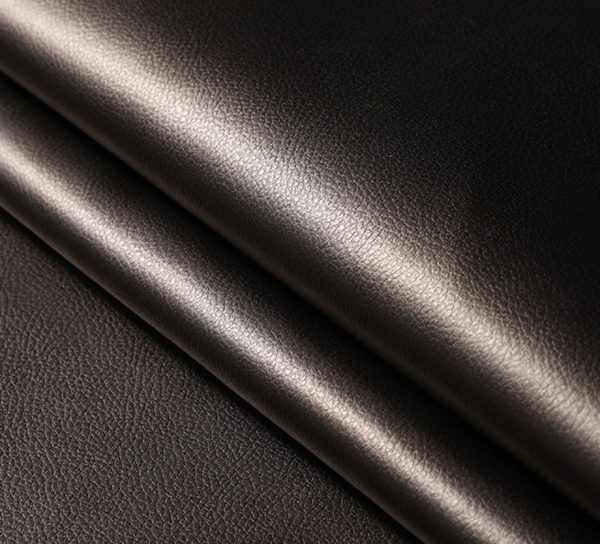

Automotive Grade Silicone Leather
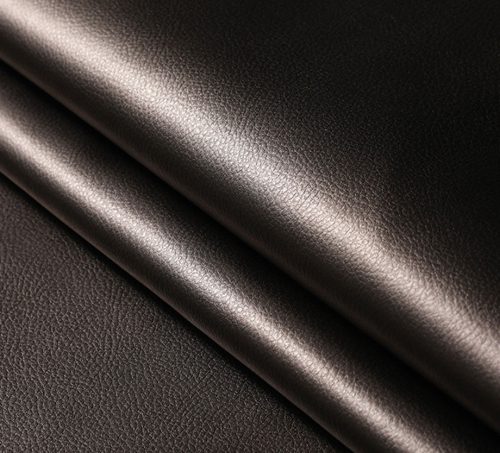
High-performance automotive grade silicone leather engineered for extreme durability, VOC-free cabin environments, and broad thermal stability (-40°C to +100°C). Manufactured by shalitetech to support high-volume OEM seating, dashboard, and interior trim programs with superior stain resistance and skin-friendly touch.
-
MOQ: 300 – 500 Meters (Flexible for first-time color evaluation and prototyping)
-
Lead Time:
-
In Stock: 3-7 business days for sample yardage.
-
Bulk/Custom Production: 15-30 workdays depending on texture, color, and backing requirements.
-
-
Documentation: Full TDS, MSDS, and third-party test reports (Abrasion, FMVSS 302, REACH/RoHS) provided with every batch for quality traceability.
-
Packaging Options: 30-50m rolls wrapped in PE film and protective woven bags; export-grade pallet packing and custom silicone leather private labeling (OEM) available.
The End of “Human Teppanyaki”: Why Your Next Cabin Design Needs Automotive Grade Silicone Leather
If you have ever climbed into a black-interior sedan parked under the scorching July sun then you have experienced the “human teppanyaki” effect. It is not just the heat. It is that awkward moment when you try to peel yourself off the seat and your skin sticks to the synthetic cover with a sound like duct tape. Worse yet that overwhelming “new car smell” hitting your lungs is not luxury. That is a cocktail of Volatile Organic Compounds (VOCs) giving you a toxic handshake.
As a seating engineer or interior procurement manager your job is to kill that experience before it reaches the customer. You do not need more marketing fluff or empty buzzwords. You need a material that survives 200,000 rubs and doesn’t get tacky in a rainforest and passes an environmental audit without breaking a sweat.
Welcome to the world of automotive grade silicone leather. I have spent years on the factory floor at shalitetech and I can tell you this is not just a “vegan alternative.” It is the engineering fix for every headache you have inherited from legacy materials.
1. Why Engineers are Quietly Quitting PU and Genuine Leather
Let’s be brutally honest. Your current material choices are keeping your warranty department busy.
Genuine Leather sounds fancy in a brochure but it is a nightmare on the assembly line. It is expensive and inconsistently textured and processed with enough chromium to make a compliance officer weep. Plus cows do not come in rectangular rolls so your cutting yield is never 100%. That is money literally hitting the floor.
Then there is PU (Polyurethane) and PVC. They are the “ticking time bombs” of car interiors. PU loves to hydrolyze—meaning it peels and cracks—the moment it hits a humid climate. PVC relies on plasticizers that eventually migrate out so they leave a greasy film on the inside of the windshield.
The “War Room” Comparison: Why Silicone Wins
| Performance Metric | Traditional PU Leather | Automotive Silicone Leather | The Real-World Payoff |
| Hydrolysis Resistance | 3–5 years | 10+ Years (Jungle Test) | No more “peeling seat” recalls. |
| Odor (VDA 270) | 3.5 – 5.0 (Noticeable) | < 2.5 (Virtually odorless) | That premium feel starts with the nose. |
| Chemical Resistance | Stains with sunscreen | Immune to most oils/creams | Seats won’t melt from SPF 50. |
| Flammability | Needs toxic additives | Naturally Flame Retardant | Meets FMVSS 302 safely. |
2. Technical Deep Dive: Just How “Hardcore” is this Skin?
When you pull the Technical Data Sheet (TDS) for our silicone leather you are not just looking at laboratory wins. You are looking at field survival. I have seen our materials go through hell and come out looking brand new.
A. The 200,000-Cycle Martindale Grind
Over a vehicle’s ten-year lifespan a driver climbs in and out thousands of times. Our silicone leather can cruise past 200,000 cycles in a Martindale abrasion test without showing the substrate. Most commercial-grade PU starts balding at 50,000 cycles. If your project involves high-frequency use like ride-sharing fleets or family SUVs then this is your insurance policy.
B. Thermal Resilience: From Siberia to the Sahara
Interior trims must survive a swing from -40°C to +100°C.
-
Cold Crack Resistance: Even in sub-zero winters the silicone molecular structure stays flexible. It will not turn into a brittle sheet of glass like PVC does.
-
Heat Stability: Silicone is a poor heat conductor. In plain English it does not get as hot as leather in the summer and it does not feel like an ice block in the winter.
C. The “Jungle Test” Champion
We put our material through 70°C at 95% relative humidity for 10 weeks. This “Jungle Test” simulates a decade of life in a tropical climate. While PU leather often turns into a sticky peeling mess in these conditions silicone leather manufacturer standards ensure our product remains structurally identical to day one.
3. Zero-Tolerance VOCs: Breathe Easy
If your next EV project needs to clear the European REACH hurdles or pass strict air quality sensors in a luxury cabin then silicone is the only sane choice.
Traditional leather and PU manufacturing involve DMF (Dimethylformamide) and toluene and a cocktail of solvents. Our process at shalitetech is 100% solvent-free.
-
REACH & RoHS Compliant: No heavy metals and no phthalates and no “bad actors.”
-
OEKO-TEX Standard 100: This material is safe enough for a baby to chew on.
-
The “Fogging” Factor: Because there are no migrating plasticizers your windshield stays clear. No more oily residue blocking the driver’s view at night.
Compliance Verification: OEKO-TEX Standard 100 Safety Requirements
4. Application Reality: Where to Use It?
You are an engineer so you know one size does not fit all. Here is where custom silicone leather actually delivers the most bang for your buck:
-
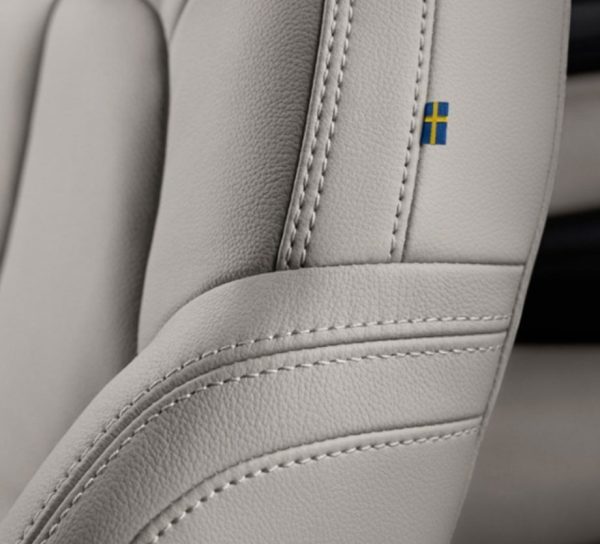
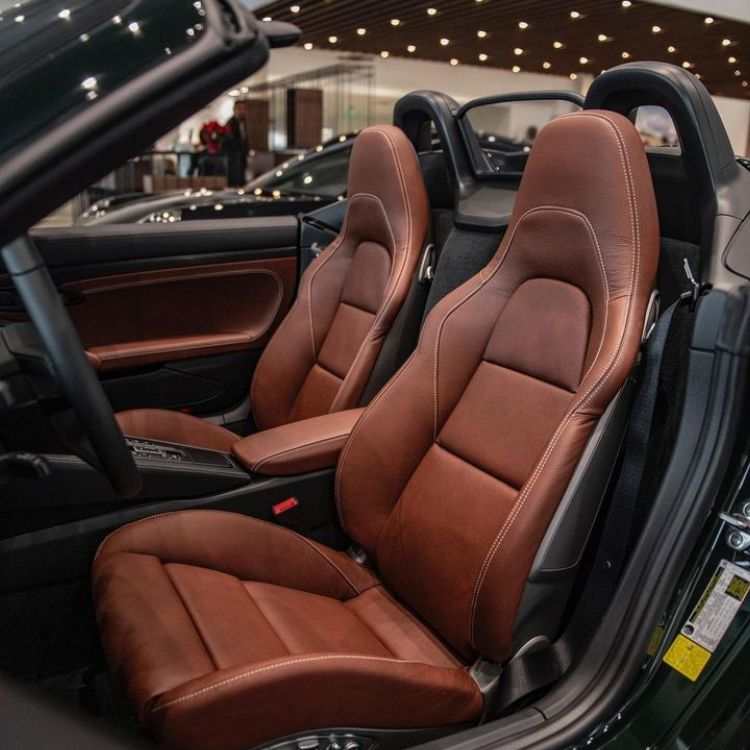
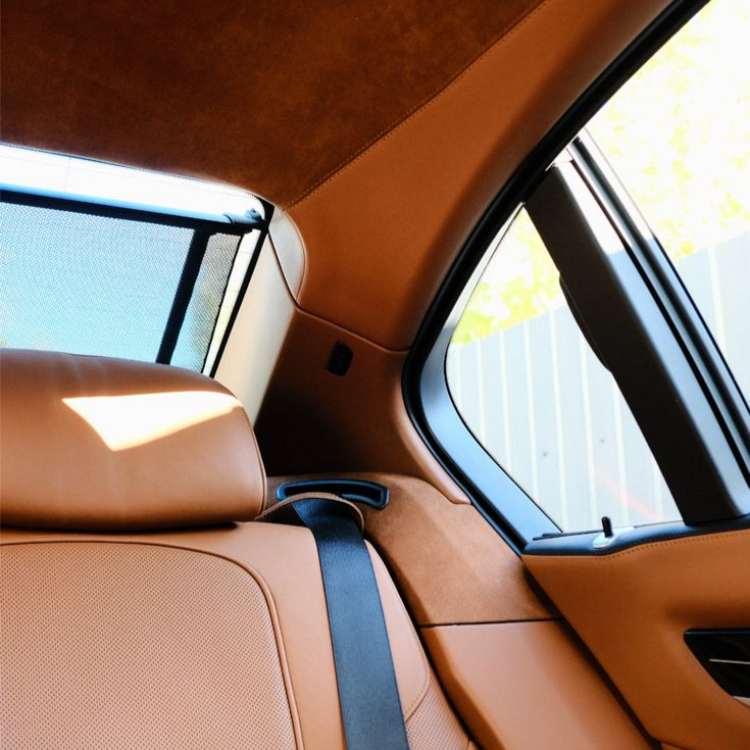
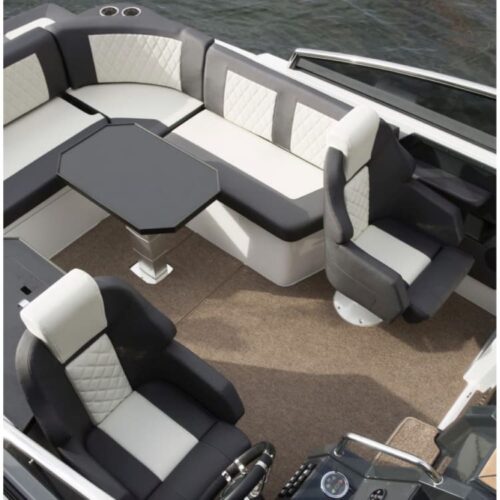
Car Seat Upholstery: Its high elastic recovery means no more “puddling.” That is that annoying saggy look after someone sits in the seat for an hour.
-
Dashboards & Door Wraps: These areas catch the most UV. Silicone’s UV colorfastness hits Grade 7-8 so your interior will not turn “Sad Grey” after two summers.
-
Child Safety Seats: Spilled juice or crayon “art” is no problem. A damp cloth and a little soap make it disappear. For parents that is not a feature—it is a miracle.
5. The “No-Nonsense” FAQ: What Major Auto OEMs Actually Ask Me
I have sat in countless boardrooms with Tier 1 suppliers. Here are the five questions that always come up once they get past the initial sales pitch.
Q1: “The Sunscreen & Hand Sanitizer Test: Can your material survive chemical attacks?”
Modern car interiors are under constant attack. Between alcohol-based hand sanitizers and the oily mess of SPF 50 sunscreen most PU leathers start to soften and “melt” within months. Our automotive-grade silicone leather is chemically inert. Unlike PU which has polar groups that react with chemicals the Si-O backbone of silicone is incredibly stable. In our internal “Sunscreen Stress Test” based on ISO 2812-3 our material shows zero swelling after 24 hours of exposure at 80°C.
Q2: “The Delamination Nightmare: How do you guarantee the silicone won’t peel?”
This is the classic “anti-stick” problem. We do not just slap silicone on a fabric. We use a proprietary primer layer that creates a permanent mechanical and chemical bond with the microfiber backing. Our peel strength exceeds 80N/5cm (ASTM D751) so it is not going anywhere even on high-stress areas like seat bolsters.
Q3: “Can my factory sew this without the stitches tearing through?”
Engineers often worry that silicone leather is too “rubbery” leading to the dreaded “zipper effect” where holes elongate under tension. We have solved this by optimizing the density of our base fabric. Our material behaves much like high-end Nappa leather on the sewing machine. It holds a stitch beautifully and passes the ISO 13936-2 seam slippage test with flying colors.
Q4: “The Windshield ‘Fog’ Issue: Will this leave a greasy film on the glass?”
That weird oily haze on a new car’s windshield is called “fogging.” It is caused by volatiles escaping from dashboard materials. Since our silicone leather is produced in a 100% solvent-free process and contains no plasticizers its fogging value is nearly zero. When tested under DIN 75201 our silicone leather consistently hits a gravimetric value of <2mg.
Q5: “The CFO wants to know: Why should I approve the price premium?”
I will give it to you straight. Silicone leather costs more per meter than PU. But you should look at the Total Lifecycle Cost. One seat-recall or a mass-warranty claim for peeling leather will cost you ten times the upfront “savings” of PU. Plus in the EV world being “Vegan” and “VOC-Free” is a massive selling point that justifies a higher vehicle MSRP. You are buying insurance against future quality headaches.
6. Partnering with ShaliteTech
As a specialized silicone leather factory we do not just ship rolls of material. We provide the technical data you need to satisfy your QA department.
-
Rapid Prototyping: I know your project timelines are insane so we get samples to you fast.
-
Strict QC: Every batch is tested in-house for abrasion and light-fastness and VDA 270 odor.
-
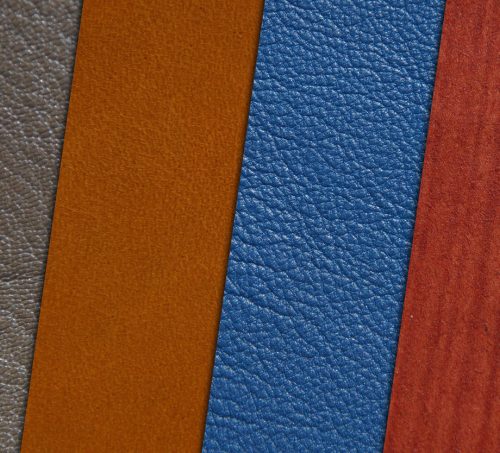
Customization: Need a specific grain to match your brand’s DNA? We can emboss and color-match to your exact specs as a custom silicone leather expert.
In an industry where a single squeak or a weird smell can tank a vehicle’s quality score why take a gamble? If your next project demands durability and skin-safe touch and zero emissions then silicone leather for automotive is the only way forward.
| Application | Automotive |
|---|
Reviews
There are no reviews yet.