

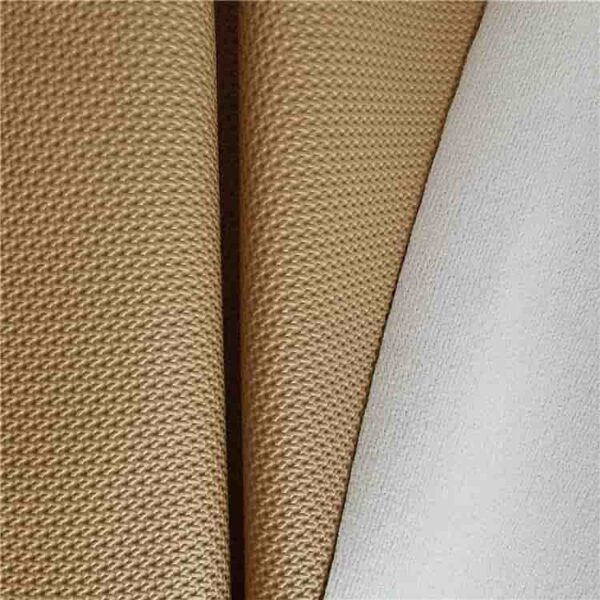
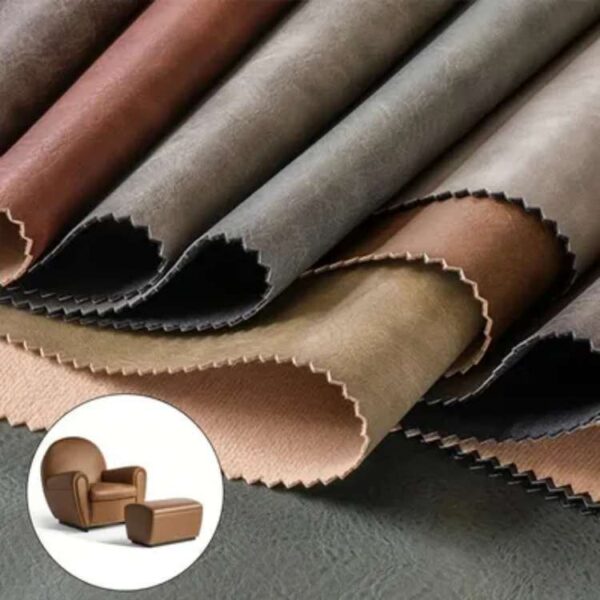
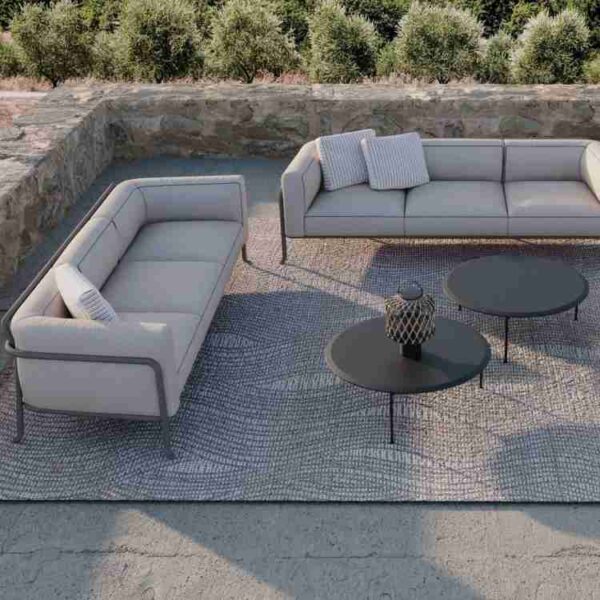
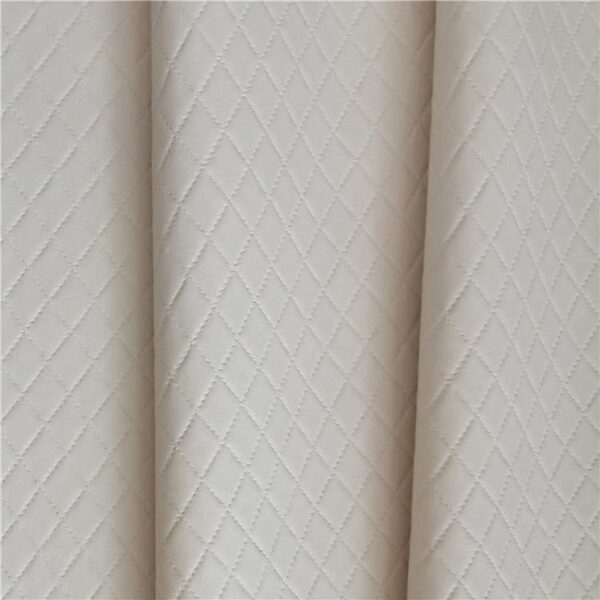
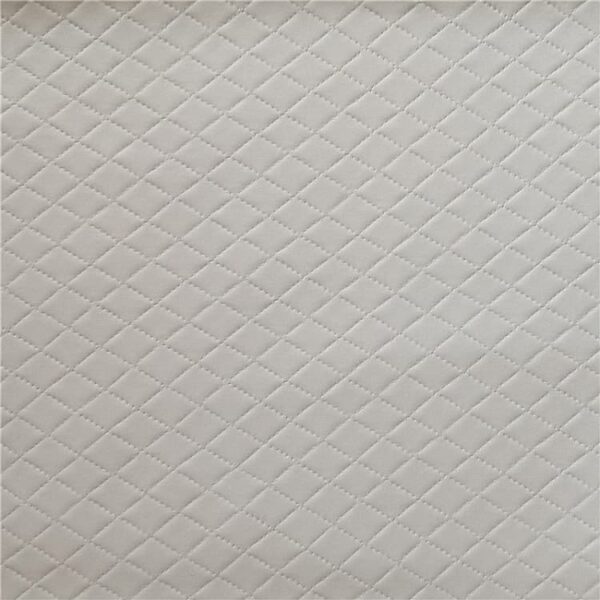
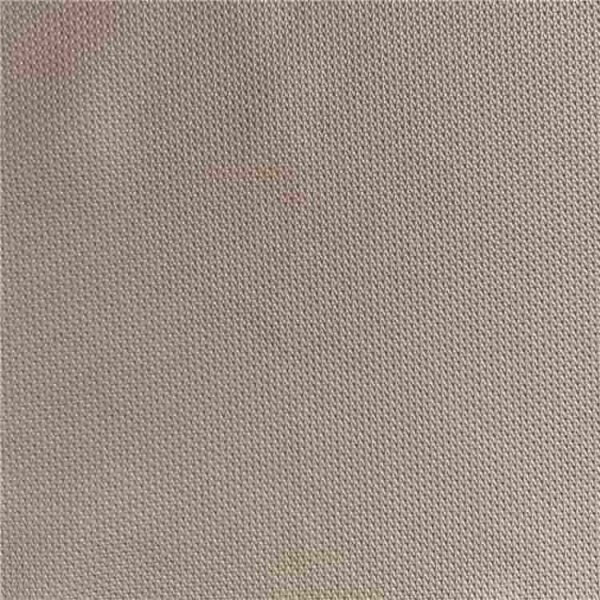


Outdoor Grade Silicone Leather
Engineered for harsh environments, this outdoor-grade silicone leather features a resilient PDMS structure to provide a durable, non-toxic surface that resists aging and peeling.
-
Fully Custom: Custom textures. Exact Pantone matching. Diverse technical backings.
-
Strict QC: Direct from a leading manufacturer. Rigorous testing.
-
Stable Supply: Zero batch color drift. Consistent mechanical strength. Reliable delivery.
The Day My Deck Furniture Died: Why I’m Done with Cheap Fabrics (and Why You Should Be Too)
I still remember sitting on my deck a few summers back, staring at what I thought was a high-end sofa. It was a total wreck. That vibrant blue? Gone—replaced by a sickly, ghostly grey. The surface felt like old parchment, just waiting for a light breeze to blow it away. It was a classic case of PU leather giving up the ghost right before my eyes. That’s when it hit me: most “outdoor” materials aren’t actually built for the elements. They’re just indoor fabrics with a fancy marketing budget.
But then I stumbled upon Silicone Leather.
If you’re in the business of manufacturing furniture, designing yacht interiors, or picking materials for a high-end resort, you know the sun is your biggest enemy. It eats polymers for breakfast. However, after years of digging into high-performance textiles, I can tell you that Outdoor Grade Silicone Leather is the only thing standing between your reputation and a pile of cracked, faded upholstery.
The “Sand” Secret: What Exactly is This Stuff?
Look, silicone leather isn’t just another generic synthetic. While most faux options are built from Polyurethane (PU) or Polyvinyl Chloride (PVC)—which are essentially oil-based—silicone has a different origin story. It comes from silica. Yeah, basically sand.
Partnering with a Silicone Leather Manufacturer means you’re getting something that’s naturally stable. You don’t need a weird cocktail of toxic plasticizers just to keep it from getting stiff—it’s born soft. Since it’s an inorganic polymer, UV rays don’t see it as something to break down and “eat.” So, while PU molecules are getting torn to shreds by radiation, silicone molecules are just… well, chilling out.
Why It’s the “Eco-Champ”
Actually, I’ve had plenty of clients ask me, “Is it really as green as they say?”
The answer is a resounding yes. Most Eco Friendly Silicone Leather is produced through a solvent-free process. We aren’t talking about VOCs (Volatile Organic Compounds) leaking into your living room or the atmosphere. For anyone looking for a PVC Free Leather Manufacturer, this is the holy grail. It gives you the legendary durability of vinyl without the environmental guilt—or that chemical “new car smell” that’s actually quite bad for you.
The Durability Death Match: Silicone vs. The World
I’m a big fan of hard data because, frankly, marketing fluff doesn’t keep a sofa from peeling. If you’re buying Silicone Leather Wholesale, you need to know exactly how it handles a beating.
1. The UV Test (The “Florida” Factor)
Standard PU leather usually throws in the towel after maybe 200 hours under the sun. First, it starts to yellow, and before you know it, the whole thing is covered in cracks. Outdoor grade silicone leather, on the other hand, can handle 3,000+ hours of QUV accelerated weathering. In the real world, that’s the difference between a sofa that looks tired after one season and one that stays gorgeous for a decade.

2. The Hydrolysis Horror
Have you ever seen a faux leather chair start to peel like a bad sunburn? That’s hydrolysis. It’s what happens when moisture literally breaks the chemical bonds in PU. But here’s the kicker: silicone is chemically incapable of hydrolysis. It physically cannot peel. This makes Marine Silicone Leather the only sane choice for boat decks and seaside resorts.
3. Extreme Temps
I’ve actually seen a PVC seat snap during a Minnesota winter just because it got too brittle to handle the cold. Silicone? It stays flexible even at -50°C. And on the flip side, it won’t turn into a sticky mess or melt when things hit 200°C. Think of it like the ultimate all-weather tire, but for your seating.
Data Breakdown: Performance Comparison
| Performance Metric | Silicone Leather | Traditional PU | Standard PVC (Vinyl) |
| UV Resistance (1-5 Scale) | 4.5 – 5.0 (Excellent) | 2.0 – 3.0 (Poor) | 3.5 – 4.0 (Good with additives) |
| The Peeling Factor (Hydrolysis) | 10+ Years (Immune) | 1-3 Years (High Risk) | 5-7 Years |
| Cold Crack Performance | -50°C | -20°C | -15°C |
| Eco-Friendliness | Vegan & Eco-Friendly | Low (Solvent heavy) | Very Low (Phthalates) |
| Skin Sensitivity | Hypoallergenic | Possible irritation | High irritation risk |
| Flame Resistance | Naturally High | Needs toxic chemicals | Moderate |
Real-World Applications: Where It Truly Shines
Marine and Yachting
Saltwater is brutal—it eats metal and destroys cheap fabric for fun. Switching to Marine Silicone Leather is honestly a massive win for boaters. If someone spills red wine or fumbles a greasy burger on a white seat? No big deal. Just grab a damp cloth and it wipes right off. No intense scrubbing required.

Healthcare and Medical
I’ve spent time talking to hospital managers who are fed up with harsh disinfectants ruining their furniture. Medical Silicone Leather and Healthcare Silicone Leather don’t flinch at strong cleaners. Plus, it’s antimicrobial. It is arguably the safest material for skin contact, which explains why it’s the go-to for Baby Silicone Leather products.
Automotive Interiors
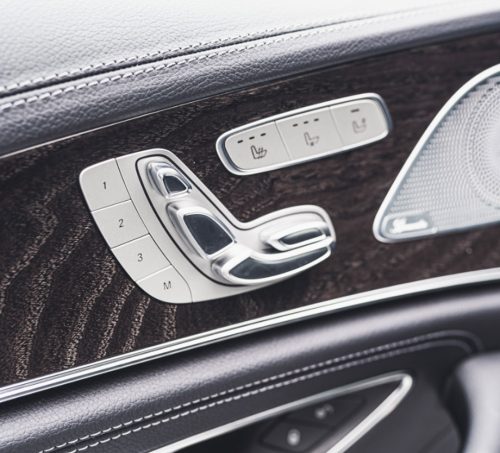
We’ve all had that experience of hopping into a car that’s been roasting in the midday sun. The seats feel like molten lava. Automotive Silicone Leather handles heat differently than PVC; it stays noticeably cooler to the touch. It also won’t release those nasty “fogging” chemicals that leave a film on the inside of your windshield.
How to Source Quality: Finding the Right Partner
If you’re a brand looking for OEM Silicone Leather, you can’t just pick the cheapest factory in the phone book. What you really need is a Silicone Leather Factory that actually understands the science behind the fabric.
When I’m vetting a supplier, these are my non-negotiables:
-
Customization: Can they handle Custom Silicone Leather in specific colors or grains?
-
Certifications: Are they checking the boxes for REACH and RoHS?
-
Backing Fabrics: Do I have backing options like microfiber, polyester, or spandex?
-
Consistency: Does the roll I get today match the roll I got six months ago?
Firms like Shalitetech have spent a lot of time getting the bonding process right. If that bond between the silicone and the backing is weak, it’ll peel. But if it’s done correctly? It’s pretty much indestructible.
Maintenance: The “Lazy Man’s” Guide to Luxury
One of the things I love most about this material is how little work it requires. I’m busy, and I’m sure you are too. I don’t want to spend my weekends “conditioning” my upholstery.
-
Permanent Marker? Wipe it off.
-
Coffee or Red Wine? Wipe it off.
-
Sunscreen Smears? Wipe it off.
You don’t need a cabinet full of specialty cleaners. Most of the time, just plain water or a tiny bit of mild soap does the trick. It’s basically “user-error proof.”
My Personal Take: Is the Premium Worth It?
Look, I’ll be straight with you. Silicone leather isn’t the rock-bottom cheapest option out there. If you want the lowest price possible, buy some cheap PVC and get ready to replace it in two seasons.
But if you want to build something that lasts—something you can actually stand behind—then Outdoor Grade Silicone Leather is the only way to go. It’s an investment in your brand. When a customer’s patio set still looks brand new after five harsh summers, they might not remember the price, but they’ll definitely remember you were the one who sold it to them.
FAQ: Everything You’re Itching to Ask
1. Does it feel like sitting on a rubber tire?
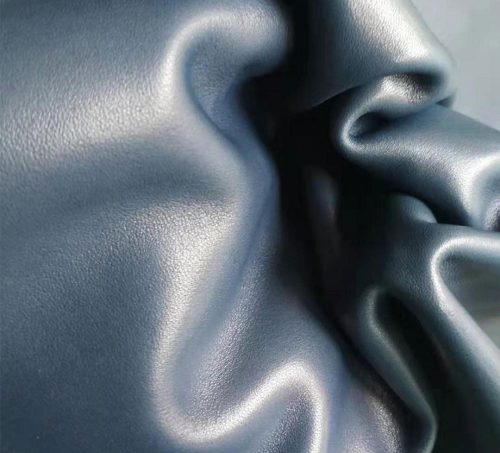
Not even close. High-end Silicone Leather has this soft, buttery texture that you’d swear was Nappa leather. It actually breathes, so you don’t get that annoying ‘sticky’ sensation when it gets warm.
2. Can it be used for bags and shoes?
You’re seeing Bag Silicone Leather and Footwear Silicone Leather everywhere lately—mostly because they’re incredibly light and waterproof. Plus, big luxury brands are all over the ‘vegan’ and ‘cruelty-free’ aspect.
3. Is it actually better than something like Sunbrella?
They’re different tools for different jobs. Sunbrella is a great woven fabric. Silicone is… well, leather. If you want the high-end look of leather with the bulletproof performance of an outdoor textile, silicone wins every time.
4. How does it handle fire?
Silicone is naturally flame retardant. It has a high oxygen index, meaning it’s much safer for Commercial Furniture and public spaces compared to traditional plastics.
5. Where can I buy it in bulk?
You’ll want to find a solid Silicone Leather Supplier like Plastisolink. They manage everything from Silicone Leather Wholesale to highly specific OEM Silicone Leather projects.
| Application | Gloves |
|---|
Reviews
There are no reviews yet.