

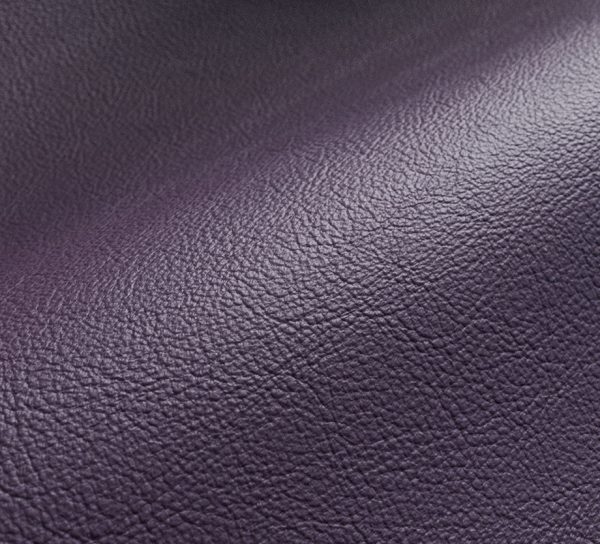


Medical Grade Silicone Leather
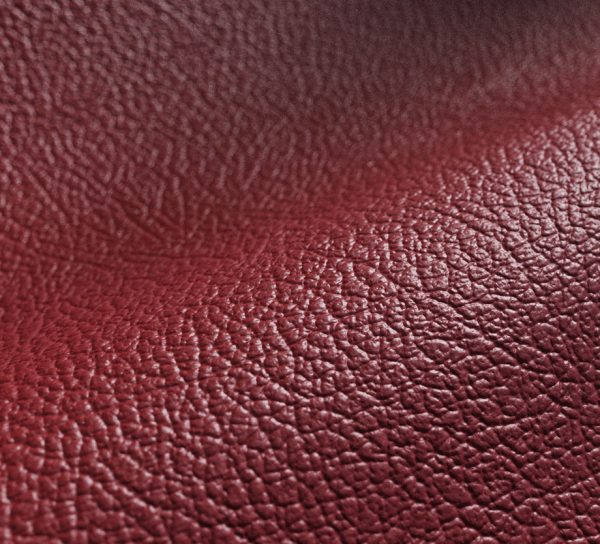
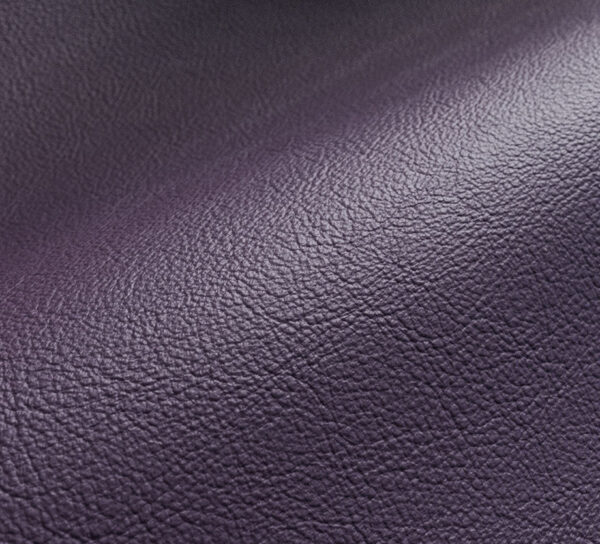
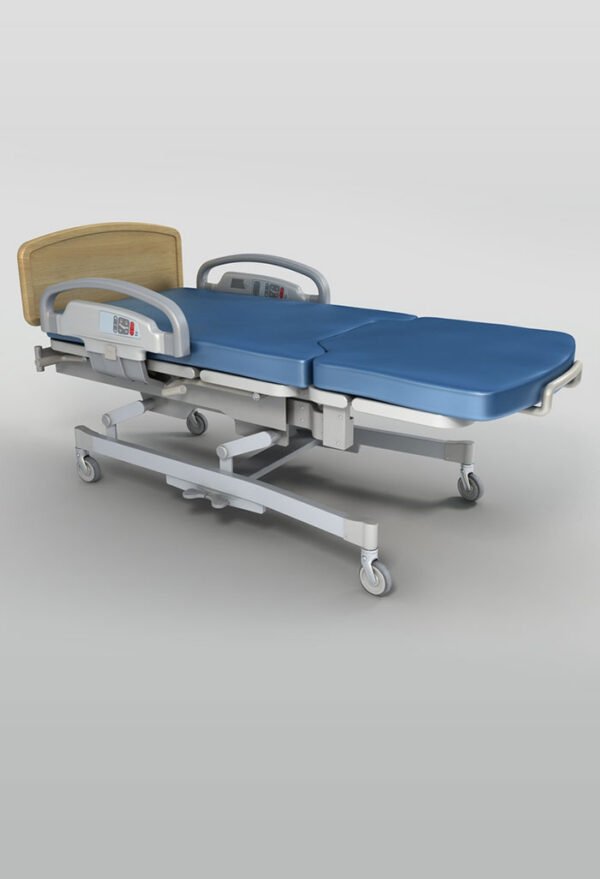
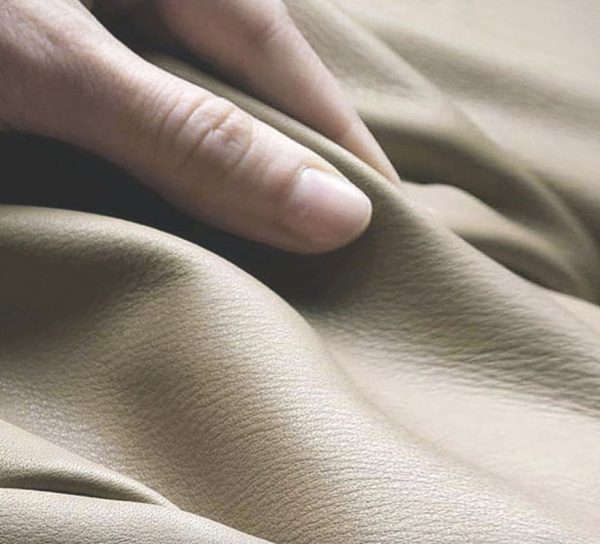
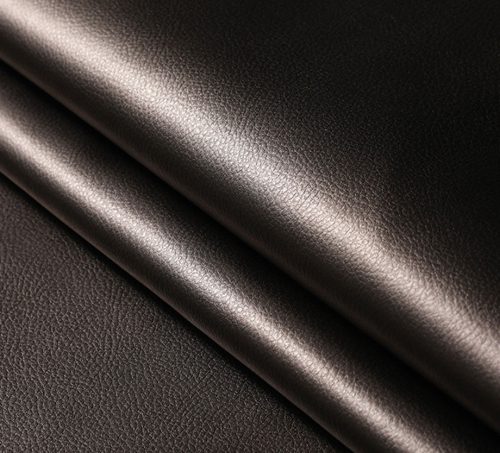
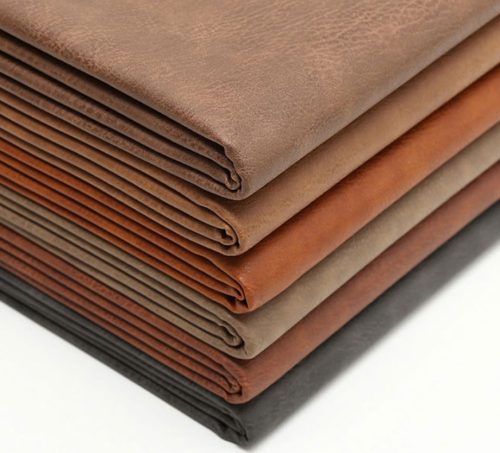
High-purity medical grade silicone leather engineered for high-traffic healthcare environments, clinical seating, and diagnostic equipment. Manufactured by ShaliteTech to support sterile, VOC-free environments with superior hydrolysis resistance and a skin-friendly, non-allergenic touch that meets ISO 10993 biocompatibility requirements.
-
MOQ: 300 – 500 Meters (Flexible for medical program color evaluation and prototyping)
-
Lead Time:
-
In Stock: 7-15 business days for standard wholesale inventory.
-
Custom Production: 15-30 workdays for oem silicone leather programs requiring specific colors, textures, or antimicrobial backings.
-
-
Technical Compliance: Full TDS and third-party test reports (REACH, RoHS, OEKO-TEX, and California Proposition 65) provided with every batch for hospital-grade quality traceability.
-
Specifications & Customization: Available in 0.7mm – 1.4mm thickness with custom backing options (microfiber, knit, or non-woven); engineered to withstand aggressive medical disinfectants like 10% bleach and 70% alcohol without surface degradation.
Stop Peeling, Start Healing: Why Medical Grade Silicone Leather is the Only Long-Term Cure for Hospital Furniture
Let’s get real for a second. Ever walked into a hospital waiting room and spotted those chairs that look like they’ve survived a war? I’m talking about that cracked, ugly, peeling “leather” that’s turned a nasty shade of yellow. It’s the kind of surface that makes you want to stay standing just to avoid touching it.
I’ve spent over a decade in the textile world and trust me I’ve seen it all. I’ve watched hospitals pour millions into high-tech machines only to have their furniture fall apart in six months. It’s a mess but it’s a mess we can actually fix.
Today I want to talk to you about the “Super Material” of the medical world: Medical Grade Silicone Leather. At ShaliteTech we don’t just churn out fabric. We create solutions for clean, safe, and actually comfortable healing spaces.
So grab a coffee. I’m going to tell you why your next medical project needs silicone leather—and why you’ll probably regret sticking with the old stuff.
1. The “Ugly Truth” About Traditional Hospital Fabrics
To understand why silicone is such a game-changer we’ve got to look at the “bad guys” in the room: PVC and PU.
For decades PVC (polyvinyl chloride) was the undisputed king of hospital upholstery. It was the go-to because it was cheap—and honestly it was just everywhere. But PVC has a dirty little secret. It’s naturally as hard as a plastic pipe so manufacturers have to pump it full of “plasticizers” like phthalates just to make it soft enough to sit on.
Here is the problem: those chemicals don’t stay put. They “migrate” out of the fabric over time. That’s exactly why old hospital chairs get stiff and start to crack. And where do those chemicals go? They leak into the air or onto the patient’s skin. Not exactly the “healing environment” you were going for, right?
Then came PU (polyurethane). It felt a bit better sure but it couldn’t handle the heat—or the bleach. Most hospital-grade disinfectants eat PU for breakfast. Within a year you’ll see the surface start peeling like a bad sunburn.
I’ve had Silicone Leather Factory clients come to me after their expensive PU dental chairs literally disintegrated because of the “purple top” wipes they used for cleaning. It’s a massive, avoidable expense.
2. So, What’s the Deal with Medical Grade Silicone Leather?
People ask me this all the time: “Is it just rubber?” Well, not quite. Think of silicone leather as a high-tech hybrid. At ShaliteTech we take 100% silicone—the same safe stuff used in baby bottle nipples and heart valves—and coat it onto a high-strength backing.
Unlike PVC we aren’t starting with oil. This stuff is made from silica—basically high-grade sand. And because of how silicone is built it stays soft on its own without needing those nasty plasticizers. It’s Eco Friendly Silicone Leather that actually does its job.
The Technical Breakdown
| Feature | Medical Silicone Leather | PVC Leather | PU Leather |
| Material Base | Silica (Sand) | Petroleum | Petroleum |
| Durability | 10+ Years | 2-3 Years | 3-5 Years |
| Skin Sensitivity | Non-allergenic | High Risk | Moderate Risk |
| Bleach Resistance | 100% Resistance | Hardens over time | Peels/Cracks |
| Eco-Profile | Zero VOC/PVC-Free | Contains Chlorine | Contains Isocyanates |
3. Why Every Hospital Administrator Should Care
You aren’t just buying a roll of material and you’re buying peace of mind. Here is why Medical Silicone Leather is taking over the B2B healthcare space.
A. It Kills Germs Without Dying
In our post-COVID world hospitals use aggressive cleaners. We’re talking 10% bleach solutions and 70% isopropyl alcohol. Most materials scream for mercy under that kind of chemical stress. But silicone? It doesn’t even blink. You can scrub Healthcare Silicone Leather with the harshest disinfectants every single day and it will still look brand new.
B. Biocompatibility (The ISO 10993 Factor)
This is the big one. If a patient is stuck on a diagnostic bed for four hours their skin is in direct contact with that fabric. Our Shalitetech products pass the rigorous ISO 10993 tests.
What does that actually mean for you?
-
First, zero cytotoxicity—it won’t kill cells.
-
Second, no irritation, so no mystery rashes for patients.
-
Third, no sensitization, meaning it doesn’t trigger allergic reactions.
If you look at the ISO 10993-1:2018 guidelines picking materials that play nice with human skin isn’t just a “nice to have”—it’s actually a legal requirement for most medical devices. We take that very seriously.
C. Natural Flame Resistance
Hospitals are high-risk zones for fires but the chemicals used to make other fabrics fireproof are often pretty toxic. Silicone however is naturally flame-resistant. It doesn’t need the added poisons to stay safe. It hits the California Technical Bulletin 117-2013 standards without breaking a sweat.
4. Where This Stuff Actually Lives
As a Silicone Leather Manufacturer I’ve seen our material show up in some pretty demanding spots.
-
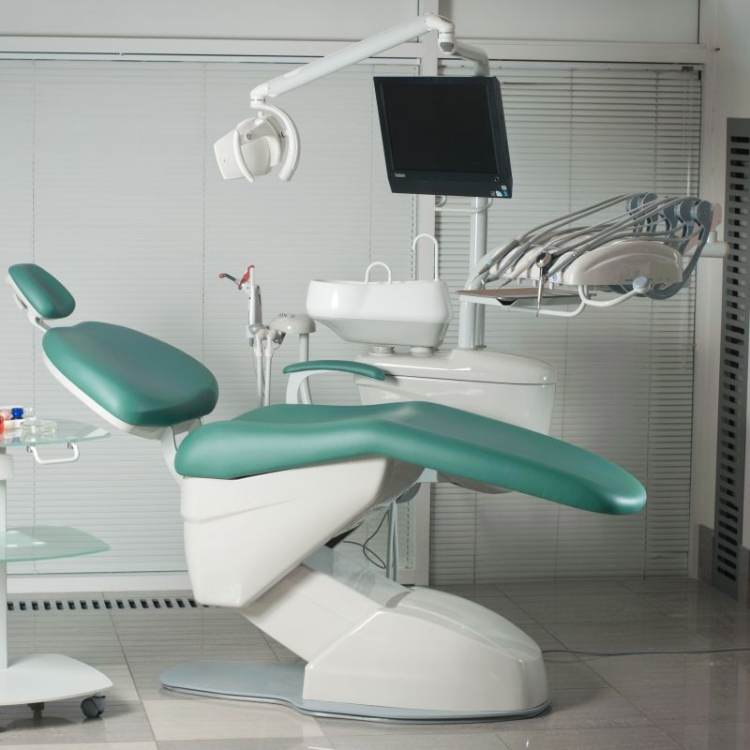
Dental Chairs: Dentists love our Custom Silicone Leather. Why? Because procedures involve water, blood, and constant scrubbing. Plus a chair that feels soft helps a nervous patient relax.
-
Surgical Tables: During a long surgery skin shear is a major worry. If the fabric is too sticky or rough it can actually tear the patient’s skin. Our Medical Silicone Leather has this unique “skin-like” feel that keeps friction low.
-
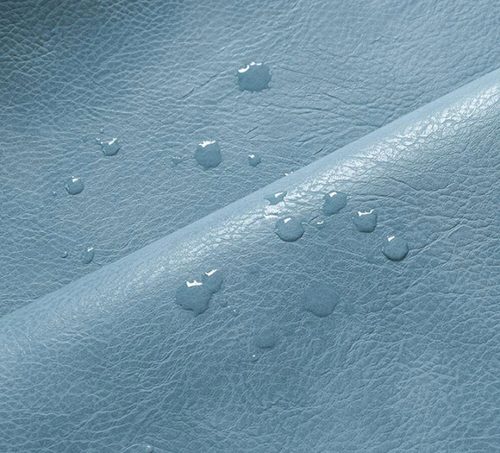
Waiting Room Seating: Just imagine the sheer volume of people cycling through a hospital lobby. They bring everything with them—dirt, spilled coffee, and plenty of pathogens. But Commercial Furniture covered in silicone stays looking fresh because it’s naturally stain-resistant. Honestly even permanent marker wipes right off with a splash of alcohol.
-
Baby Incubators: This is where safety is non-negotiable. Newborns have incredibly thin skin and can’t handle VOCs. Our Baby Silicone Leather is the gold standard because it’s 100% Vegan Silicone Leather and totally PVC-free.
5. Let’s Talk Money: The ROI for B2B Buyers
Look I know exactly what you’re thinking: “Robert, this silicone stuff is more expensive than PVC.” And you’re 100% right. It is. But let’s do the actual math.
Think of it this way: a PVC chair might cost you $500 but only lasts 2 years. That’s $250 a year. Buy a Shalitetech silicone chair for $800 and it’ll last 10 years. Suddenly you’re only paying $80 a year.
You also save a fortune on labor because you aren’t reupholstering chairs every other year. No downtime, no hassle, and no risk of a lawsuit because a patient caught an infection from a crack in a cheap vinyl seat. We call this “The Durability Dividend.”
6. How Do You Spot the Good Stuff?
Here’s the thing: not all silicone is created equal. Some factories cut corners by mixing silicone with cheap PU. If you’re dealing with an OEM Silicone Leather supplier here is how you check the quality:
-
Try the smell test: If it reeks like a chemical plant it’s not pure silicone. ShaliteTech products are virtually odorless.
-
Check the paperwork: Ask for those ISO 10993 and REACH reports. If a supplier can’t produce them just walk away.
-
Feel the texture: High-end silicone feels “warm” and inviting, not like a cold, sticky slab of plastic.
7. Case Study: A Big Win in Singapore
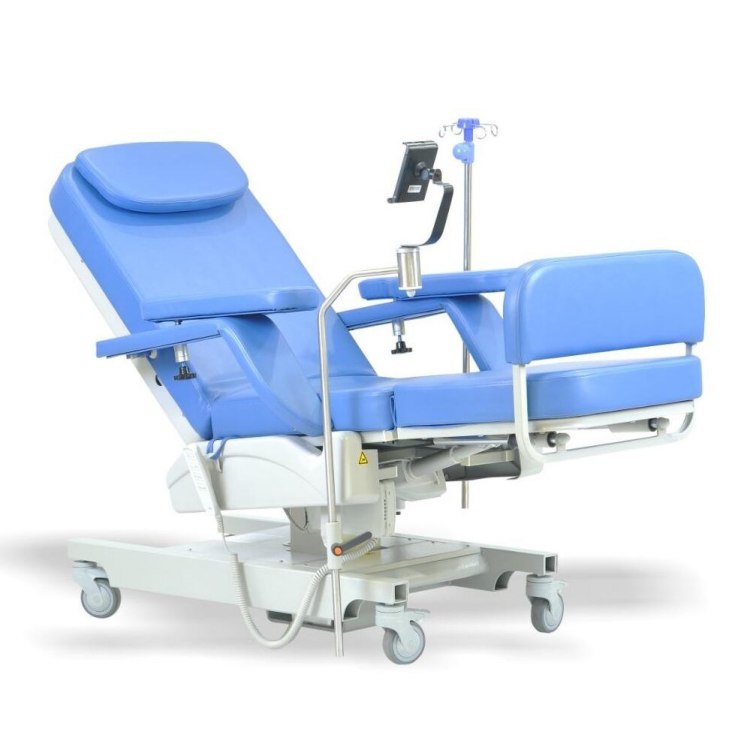
We recently worked with a major healthcare group in Singapore. They were fed up with their Healthcare Seating looking shabby and worn out. They decided to switch 200 of their dialysis chairs over to our Custom Silicone Leather.
Fast forward 18 months. Despite 24/7 use and constant bleaching those chairs still look like they just came off the truck. Their maintenance costs dropped by a staggering 40%. That is exactly what happens when you pick the right material from the start.
8. Questions I Get Asked a Lot (FAQ)
Q1: Is this actually better for the planet?
You bet. It’s a PVC Free Leather Manufacturer‘s dream. No chlorine, no dioxins, and it uses less energy to make than old-school synthetics. The EPA has plenty to say about why we should avoid PVC and we take that to heart.
Q2: Can you match my brand colors?
Yes! As a Silicone Leather Factory we can hit any Pantone color you want. We see hospitals moving away from that boring “clinical white” toward calming blues or greens all the time. We can make that happen.
Q3: How hard is it to clean?
For daily stuff just soap and water. For medical deep-cleaning go ahead and use bleach, hydrogen peroxide, or alcohol. It’s pretty much impossible to ruin.
Q4: Is it vegan?
100%. It’s Vegan Silicone Leather. No animal hides, no animal byproducts, just pure science.
Q5: Does it get hot and sticky?
Not at all. Unlike PVC silicone handles temperature beautifully. It doesn’t trap body heat so patients stay comfortable even if they’re lying down for a long haul.
Final Thoughts: Don’t Settle for “Good Enough”
In the medical world “good enough” usually isn’t. You need materials that protect your patients, save your budget, and actually last.
At ShaliteTech we’ve spent years perfecting our Silicone Leather. We aren’t just selling you a roll of fabric and we’re offering a decade of research and a commitment to better healthcare.
Don’t wait until your current chairs start peeling and looking gross. Head over to our products page and see the difference for yourself. Your patients—and honestly your accounting department—will thank you for it.
Related Products
| Application | Medical Equipment |
|---|
Reviews
There are no reviews yet.