


Table of Contents
I’ve spent more than ten years walking factory floors and getting my hands dirty in testing labs. If there is one thing I’ve learned, it’s that the “eco-friendly” label gets thrown around way too easily. If you are sourcing for a major project, you have probably seen samples that look great in a showroom but completely fall apart once they are actually put to use.
Look, if you are in a hurry and just want the bottom line on how to tell if you’re holding the real deal, here it is: try burning a tiny corner of the material. Real silicone leather gives off white smoke and leaves behind a bit of crumbly, white ash. On the flip side, if the sample reeks like melting chemicals and turns into a nasty, sticky black mess, you’ve definitely been sold PU or PVC.
Does it really matter? Absolutely. Finding a solid silicone leather maker really makes or breaks your interior. It’s the line between looking fresh after ten years and flaking apart in less than two. Authentic silicone makes a huge difference—it handles intense UV rays and feels way softer than traditional synthetic plastics ever could.
The Reality of the Modern Market
I have sat across from plenty of procurement managers who thought they were being smart by saving 20% on a “silicone-blend.” Fast forward six months, and they are calling me because the seats in their marine project are cracking or their medical upholstery is reacting poorly to disinfectants.
The science behind this is pretty straightforward: genuine eco friendly silicone leather is an inorganic polymer. It lacks the carbon-to-carbon backbone found in PU (Polyurethane), which is exactly why it doesn’t just crumble or break down when the sun hits it or temperatures climb.
Why Bother Reading This Guide?
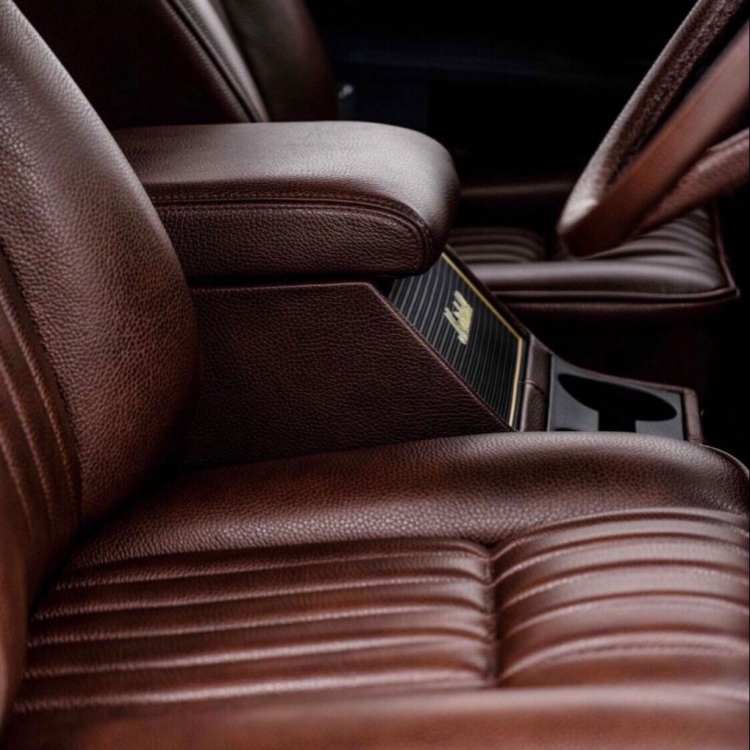
- Don’t get stuck in a recall nightmare: If you pick the wrong material for automotive silicone leather projects, you’re looking at massive warranty headaches and a reputation that’s hard to fix.
- Safety isn’t something you can compromise on: Especially with medical silicone leather, having a material that’s biocompatible isn’t just a bonus—it’s the standard you have to meet.
- Hit Your Green Targets: If your company is serious about sustainability, real silicone is a win. It is solvent-free and won’t leak those nasty VOCs into the air your customers breathe.
3 Professional Ways to Verify Your Samples
When a sample arrives at your desk, don’t just give it a quick feel and move on. You need to put it through its paces. Here are the three methods we use every day at Shalitetech to make sure our quality stays at the top of the industry.
1. The “Cleanability” Test (The Ink Challenge)
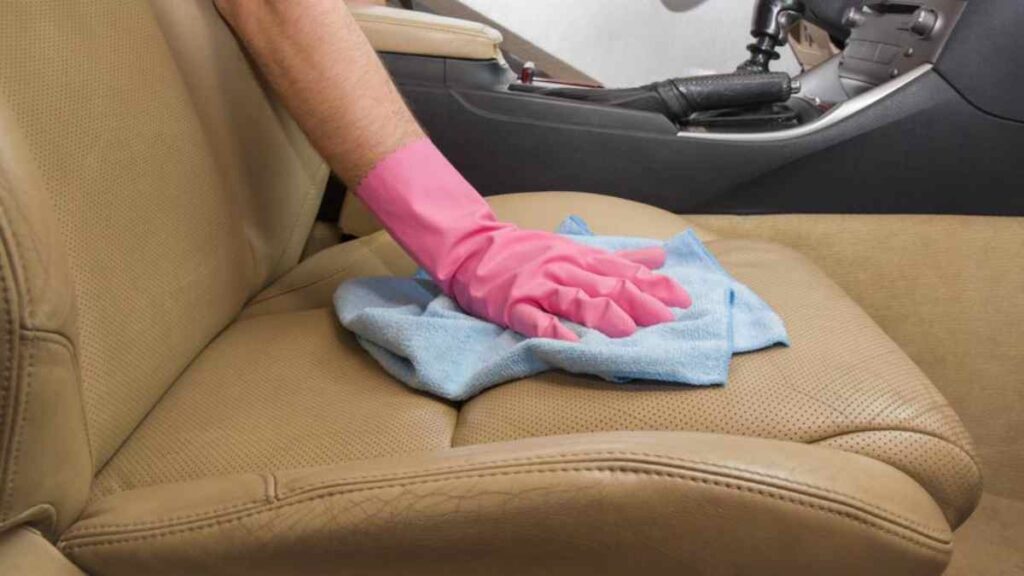
Silicone has what we call “low surface energy.” In plain English? It’s basically the Teflon of fabrics—most stuff just doesn’t want to stick to it.
Try this out: take a permanent marker and draw a bold line across your sample. Give it about five minutes to dry off completely.
What happens next? If it’s high-grade upholstery silicone leather, you should be able to just wipe that ink right off with a dry towel or a tiny bit of water. In many cases, if you find yourself reaching for heavy chemicals just to get a mark off, you aren’t dealing with pure silicone.
2. The Burn Test (The Laboratory Gold Standard)
This is the one test I swear by. Because silicone is derived from silica (basically sand), it’s naturally got a high resistance to fire.
It’s easy to do: just take a regular lighter to the edge of your material sample.
The Result:
- Genuine Silicone: You’ll notice it burns slowly without melting, gives off white smoke, and leaves behind a brittle white ash—that’s the silicon dioxide at work.
- The Fakes (PU/PVC): These will melt quickly, drip like a burning candle, produce thick black smoke, and smell like a chemical spill.
3. The “Nose” Test
I always tell my clients to stick their nose right into the roll as soon as they open it. Ever notice that sharp “new car smell”? That is usually just chemicals gassing off.
According to the ISO 14184-1 standard, formaldehyde and VOCs are incredibly common in traditional synthetics. However, genuine silicone is solvent-free and almost entirely odorless. If the roll has a sweet or sharp chemical scent, it’s probably not the high-end vegan silicone leather you’re paying for.
Performance Comparison: Seeing the Difference
| Feature | Genuine Silicone Leather | High-End PU Leather | PVC Leather |
| Hydrolysis Resistance | 10+ Years (No peeling) | 2-5 Years | 3-7 Years |
| UV Stability | Grade 4.5+ (Excellent) | Grade 3 (Fades) | Grade 2 (Cracks) |
| Cleaning Routine | Water & Mild Soap | Special Chemicals | Harsh Solvents |
| Environment | Solvent-Free | High VOCs | Phthalates & Chlorine |
How to Start Your Sourcing the Right Way
You don’t just want to buy a product; you want to solve a long-term problem. Whether you are looking for silicone leather for car seats or silicone leather for healthcare seating, you should always start by asking for a technical data sheet (TDS).
A Dirty Secret: Check the Backing Fabric
Watch out for the classic shortcut: skimming a thin coat of silicone over a cheap polyester base. The face might look okay at first glance, but the material itself ends up feeling weak and rips under stress.
My advice? Insist on high-density microfiber or recycled PET backings. At Shalitetech, we do a lot of custom silicone leather work where we help you match the backing to the specific demands of your project.
Solving the “Sticky” Problem
I often hear from buyers who are frustrated because their current synthetic leather gets “sticky” when the weather gets hot. That’s what we call “plasticizer migration,” and honestly, it’s a pretty gross mess.
Without those oily plasticizers driving the softness, silicone won’t ever get that tacky finish over time. Plus, the material easily adapts to match your body temperature.
FAQ: What Big Buyers Actually Ask
Q1. Is this material actually as “green” as people claim?
Absolutely. PVC is usually packed with chlorine and phthalates, but our eco friendly silicone leather is made from natural minerals. It’s fully REACH and RoHS compliant, meaning it’s safe for the people using it and the planet we live on.
Q2. Can it take a beating from hospital-grade cleaners?
Yes, and that’s a massive selling point. medical silicone leather is resilient enough to stand up to 70% alcohol or bleach wipes without cracking or getting brittle as time goes on.
Q3. Does it meet fire safety codes for planes?
You bet. Most of what we make meets FAR 25.853 standards. Because silicone is an inorganic material, it’s naturally resistant to catching fire and boasts a really high flash point.
Q4. How can I be sure I’m not just getting a PU/silicone blend?
Go back to that burn test. A blend will still melt and put off black smoke because of the PU content. Only 100% silicone gives you that clean white smoke and ash.
Q5. Why does silicone cost more than PU?
Think about it this way: if PU dies in three years and silicone keeps going for ten, the yearly cost of silicone is a steal. Plus, you won’t have to pay for the labor and downtime of replacing worn-out upholstery every few years.
Final Thoughts from the Lab
In the world of high-performance materials, cheap usually ends up being very expensive in the long run. If you are looking for a partner who actually gets the technical side of silicone leather and won’t cut corners, we are ready to chat.