


Table of Contents
If you’re looking for the bottom line right away, here it is: silicone leather wins every single time if you care about quality upholstery. It doesn’t just outlast the competition—it feels remarkably like the real thing and won’t leak nasty chemicals into your workspace or the environment. Sure, PVC looks cheaper when you’re looking at a quote, but it’s basically a ticking time bomb of cracks, peels, and toxic off-gassing. Moving to silicone means you’ll stop wasting money on constant repairs and start building a reputation for selling stuff that actually lasts.
I’ve spent years troubleshooting material failures in everything from high-end car interiors to busy hospital lounges. I can tell you from experience: the “bargain” price of PVC is a total trap. Let’s look at why.
Why the industry is actually making the switch
PVC used to be the top choice for synthetic leather—mostly because it was dirt cheap to make. But as a solution expert, I’ve seen the headaches it causes. I’ve walked into hotels just two years after a major renovation only to see the “leather” sofas peeling like a bad sunburn. That’s the “PVC trap” in action.
Think of silicone leather products less like a fabric and more like a high-performance polymer. Since it’s made from silica (yeah, basically sand), it’s a whole different beast compared to those oil-based plastics like PVC or PU.
A quick side-by-side: How they actually stack up
| Feature | PVC Leather | Silicone Leather | Why It Matters |
| Durability | Starts falling apart in 1-3 years | Stays intact for 10+ years | You stop paying for constant replacements. |
| Eco Impact | High (Dioxins/Lead) | Truly sustainable | Perfect for meeting “green” building codes. |
| Chemical Resistance | Damages easily | It stands up to bleach and alcohol | A total game-changer for medical silicone leather. |
| Thermal Stability | Gets brittle in the cold | Stays flexible from -40°C up to 150°C | That’s huge for cars and boats. |
| Air Quality | High VOCs (that “plastic” smell) | Zero emissions | You actually get a breath of fresh air indoors. |
1. Durability: Is it just plastic, or is it performance?
Most folks assume “plastic is plastic,” but honestly, PVC and silicone couldn’t be more different. By nature, PVC is pretty rigid and stiff. To make it soft enough for a sofa or a car seat, manufacturers have to add “plasticizers” like phthalates. Here’s the catch: these chemicals aren’t actually bonded to the material. They eventually leak out—that’s actually that “new car smell” you’re sniffing—leaving the PVC brittle and prone to cracking.
In my testing of silicone leather for automotive interiors, we put the material through “Jungle Tests”—high heat combined with 95% humidity. While PVC disintegrated within weeks, silicone remained perfectly intact.
Pro tip: If you’re picking materials for a high-traffic spot, always demand the “Hydrolysis Test” data. If it can’t survive 10 weeks, keep it away from your project. Shalitetech silicone leather handles these challenges without breaking a sweat.
2. Safety and Health: The Hidden Cost of PVC
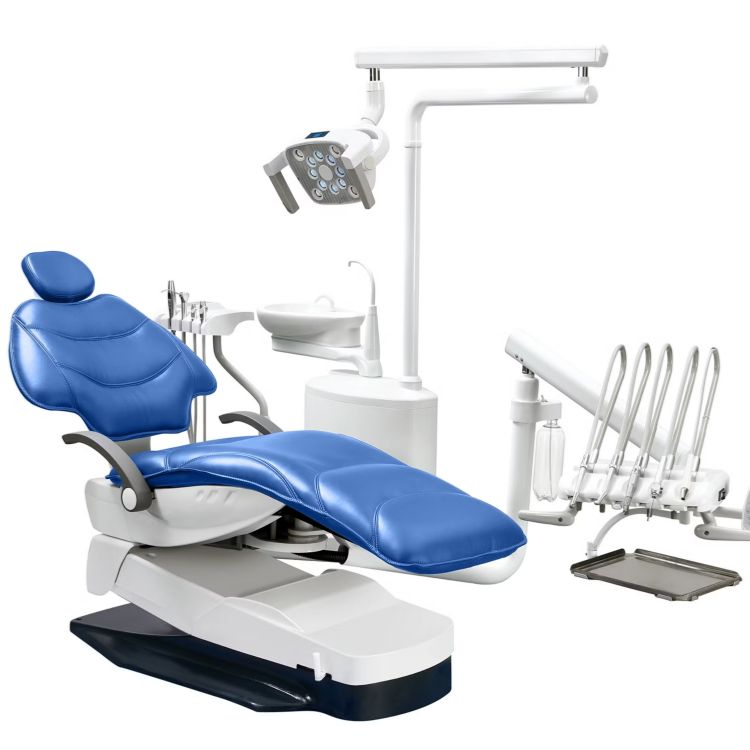
If you’re designing furniture for hospitals or schools, PVC is a massive liability. Making it involves chlorine and usually some nasty heavy metals like lead. When you move over to eco friendly silicone leather, you’re getting a material that’s flame-retardant right out of the box. No toxic bromine additives are needed just to pass a safety inspection. It’s also hypoallergenic, which is why hospital designers switch to silicone; it doesn’t irritate skin and stands up to the harsh disinfectants needed to kill pathogens.
3. Cleaning and Maintenance: The “Ink” Test
One of the biggest pain points for my clients is staining. PVC is porous; once ink or denim dye gets into the surface, it’s usually there for good.
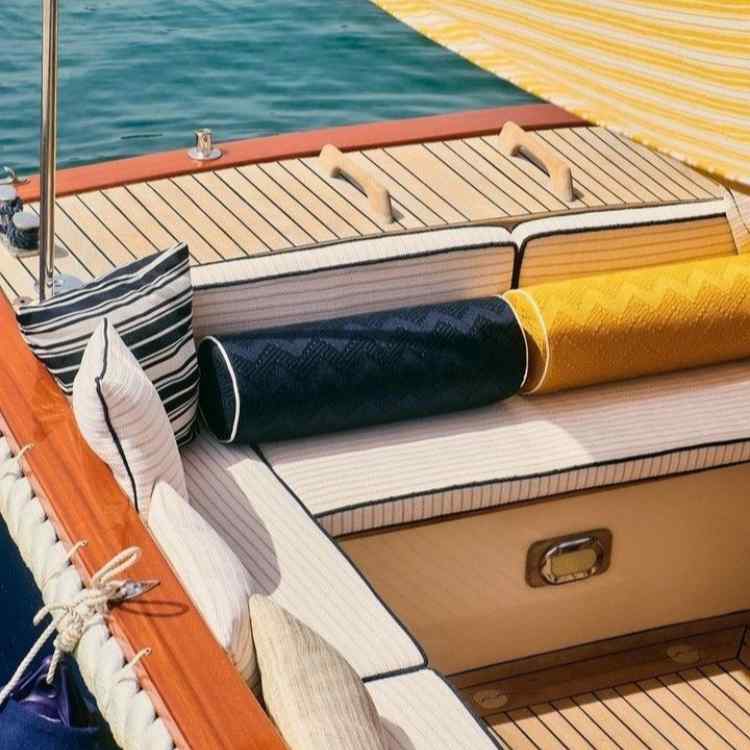
I’ve done this demonstration a thousand times: I take a permanent marker and draw right on a piece of custom silicone leather. You can usually wipe it clean with just a dry rag or a splash of water. That happens because silicone has crazy low surface tension—nothing really wants to stick to it. This makes it the gold standard for public transport, busy restaurants, and boats where salt and sunscreen usually ruin traditional vinyl.
4. Environmental Responsibility (The Real Deal)
Your customers aren’t falling for basic marketing anymore. They are actively hunting for “Vegan” and “Eco-Friendly” labels, and PVC is the exact opposite of that. It’s a nightmare to recycle and dangerous to burn.
Silicone leather is a total game-changer here. At Shalitetech, we ensure our process is completely solvent-free. We don’t even use water for cooling, which keeps industrial wastewater out of the environment.
Expert Insight: Take note of the increasing restrictions from the European Chemicals Agency (ECHA) regarding phthalates. By moving to silicone now, you are “future-proofing” your products against the upcoming regulations that will eventually push PVC upholstery out of the market entirely.
5. Why silicone is the only choice for tough environments
I remember working with a boat upholstery shop in Florida; they were losing their minds having to replace PVC seats every two years. The sun and salt were turning them into yellow, flaky messes. We switched them to marine silicone leather.
Why did it work?
- UV Stability: Silicone is inorganic, so the sun’s rays can’t snap those chemical bonds like they do with organic stuff like PVC or PU.
- Salt resistance: Salt just can’t seem to eat away at the silicone surface.
- Heat Management: Silicone stays much cooler in direct sunlight. If you’ve ever jumped onto a PVC seat in the middle of July, you know that burn. Silicone doesn’t soak up heat like that.
A few tips on picking the right supplier
Ready to switch? Great. But don’t just sign with the first silicone leather factory that pops up. You’ve got to vet them.
- The Burn Test: Pure silicone won’t produce black, acrid smoke. It produces a white ash. If that smoke is black, you’re not looking at pure silicone.
- Check the Backing: The backing fabric—whether it’s polyester or microfiber—really dictates how the leather stretches and behaves under a needle.
- The DIY test: Grab some samples and try to mess them up with coffee or ink yourself. If it doesn’t clean up easily, keep looking.
FAQ: What My Big Clients Actually Ask
Q1: Is silicone leather much more expensive than PVC?
A: Upfront, the price tag is higher. But if you look at the ‘Total Cost of Ownership,’ silicone is actually cheaper. It lasts 3 to 5 times longer and you don’t need fancy cleaners.
Q2: Is it actually eco-friendly, or is this just greenwashing?
A: Actually, it’s the real deal. Unlike PVC, silicone leather is solvent-free and skips the plasticizers and heavy metals. It easily passes REACH and RoHS—and those are some of the toughest standards out there.
Q3: Can I use standard sewing machines?
A: Yes, but you’ll want to adjust your tension. Because silicone is naturally “grippy,” a walking foot machine usually works best to keep things moving smoothly.
Q4: How does it handle freezing weather?
A: This is where silicone really leaves PVC in the dust. PVC gets stiff and brittle when it’s cold, but silicone stays flexible even at -40°C. That’s why it’s perfect for the outdoors or aviation.
Q5: Is it truly “vegan”?
A: 100%. We don’t use any animal products in the materials or the factory. It’s the ideal high-end choice for brands that want to ditch animal hides but keep that luxury feel.
The bottom line
In the battle of Silicone Leather vs PVC, the winner is clear for anyone looking at the big picture. If you want a material that respects the environment, protects the health of your users, and stands up to the toughest conditions on earth, Shalitetech silicone leather is the solution.
Stop paying for materials that are designed to fail. It’s time you moved to a polymer that actually does what it says.