


Table of Contents
Let’s get straight to the point: silicone leather is basically the only synthetic material out there that feels like real leather while standing up to crazy weather without using a single drop of toxic chemicals. You won’t have to deal with that annoying peeling you get with PU or PVC after just a couple of years. Plus, it doesn’t have that nasty “factory” smell, and honestly, cleaning it is as easy as using a bit of water.
Hi there! I’m a solution expert at Shalitetech. I’ve spent years helping manufacturers move away from “disposable” materials and switch to something that actually lasts. If you’re tired of customer complaints about cracking car seats or stained medical chairs, you’re in the right place. Let’s look at why silicone leather is changing the game.
Why Does Silicone Leather Outperform Everything Else?
In my experience, most buyers are frustrated with the “two-year itch.” That’s when traditional synthetic leathers start to disintegrate. Ever wonder why? It’s because traditional PU and PVC need a cocktail of plasticizers and solvents just to stay bendy. Eventually, these chemicals evaporate. When they’re gone, the material gets brittle and starts to crack—simple as that.
Silicone is different. We’re talking about an inorganic polymer. It’s the same stuff found in high-grade kitchen spatulas or even your baby’s pacifier. Those handle heat and constant use without breaking down. We’ve taken that same tech and turned it into high-end upholstery.
The Real Benefits for Your Brand:
- Toughness that’s hard to beat: We’re talking over 200,000 rubs on the Martindale scale without breaking a sweat.
- Safety is built-in: It doesn’t catch fire easily, and it does this naturally—no need for those toxic “brominated” flame retardants.
- A total “stain ninja”: Things like ink, coffee, or even that permanent marker don’t stand a chance and wipe right off.
- Weather-proof for real: It stays flexible at -40°C and won’t start melting when things hit 100°C.
Pro tip from my experience: If you’re working on something for high-traffic areas, always make sure to ask for a “jungle test” report. A good silicone leather manufacturer should show you at least 10 weeks of resistance to high heat and humidity, which mimics 10 years of real-world use.
What’s Under the Hood? The Layered Structure
People often think silicone leather products are just a thick sheet of rubber. Not even close. It’s a sophisticated composite. At Shalitetech, we engineer our material in three distinct layers to ensure it feels like luxury but acts like armor.
| Layer | Material | What it actually does |
| Surface Coating | 100% Silicone Polymer | This is the “skin.” It provides the soft feel and the stain resistance. |
| Bonding Layer | Solvent-free Silicone Adhesive | Think of this as the “super glue” of the material. We use a high-performance, silicone-based adhesive that keeps the layers locked together, so you don’t have to worry about them delaminating or peeling apart. |
| Backing Fabric | Microfiber, Polyester, or Cotton | This layer is exactly why our silicone leather for car seats is so easy to stitch together. |
Depending on the backing we choose, we can get that buttery-soft feel of nappa leather or something as tough as heavy-duty canvas.
The Green Stuff: How We Actually Make It
I’ve been through countless factories over the years, and honestly, most traditional leather plants have this overwhelming chemical stench. Our silicone leather factory is different. We use a solvent-free casting process.
- Getting Ready: We kick things off with high-purity silicone resin.
- Mixing the Color: We stir pigments straight into the liquid silicone. This is key because the color goes all the way through; it’s not just some layer of “paint” on the surface.
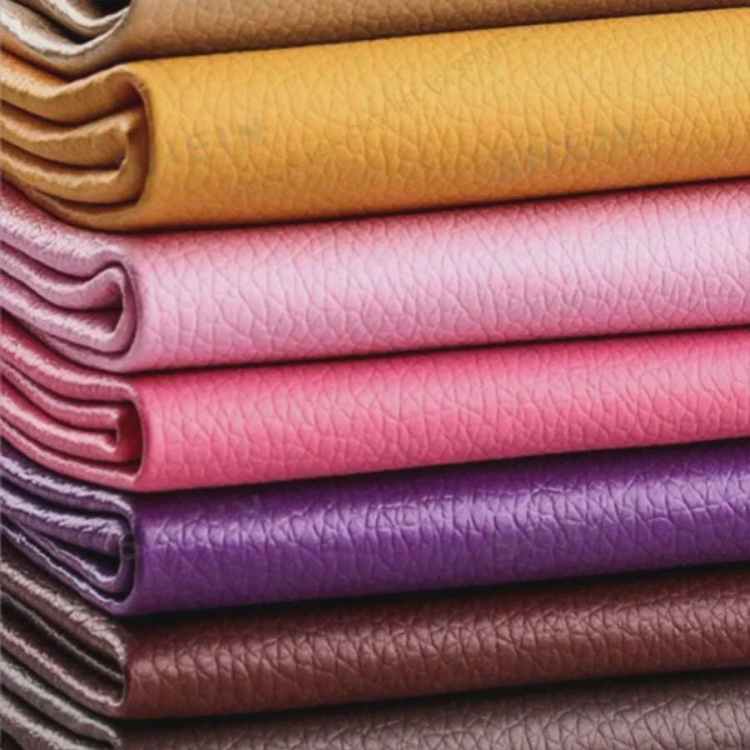
- Coating: The liquid is spread onto a release paper with the desired grain (like litchi or fine grain).
- Curing Time: The material travels through a thermal oven to “cross-link.” What’s great is that we don’t use a drop of water, and there are zero toxic gases escaping into the air.
This process is why we call it eco friendly silicone leather. We don’t use DMF, phthalates, or lead. It’s clean from start to finish.
Let’s look at the actual numbers: Silicone vs. Everything Else
You don’t just have to take my word for it; the data speaks for itself. According to testing standards from SGS and ASTM, silicone is in a league of its own.
- Hydrolysis Resistance (ISO 1419): Traditional PU lasts 3-5 weeks in a “jungle room.” Silicone lasts 14+ weeks without any surface change.
- UV Resistance (ASTM G154): We’ve seen silicone handle over 2,000 hours of intense UV light without turning yellow or cracking. This is why it’s the top choice for boat seats.
- VOC Emissions: Most synthetics fail the VDA 278 test for “new car smell” (which is actually toxic off-gassing). Silicone passes with nearly zero emissions.
Here’s a best practice: If you’re sourcing for medical gear or baby items, always check for that OEKO-TEX Standard 100 certification. It’s your guarantee that the material is totally safe for direct skin contact.
Ready to give silicone leather a try?
Look, if you’re a designer or in charge of procurement, changing materials always feels a bit like a gamble. Here is how I usually walk my clients through the process:
- Identify Your “Pain Point”
Is your current material peeling? Is it too hard to clean? Knowing this helps us pick the right silicone formula. For example, silicone leather for healthcare seating needs higher chemical resistance to stand up to hospital disinfectants. - Request a Sample Book
You can’t feel quality through a screen. Ask us for a swatch kit. Test it yourself—stab it with a pen, pour coffee on it, try to scratch it with a key. - Run a Pilot Production
Don’t feel like you have to order 10,000 meters right away. Instead, work with a custom silicone leather manufacturer on a small test batch. See how it handles on your specific machines. One thing to watch: since silicone has a bit more “stretch” than PVC, you might need to tweak your sewing tension just a hair.
A real-world example: The “Sun-Baked” Yacht
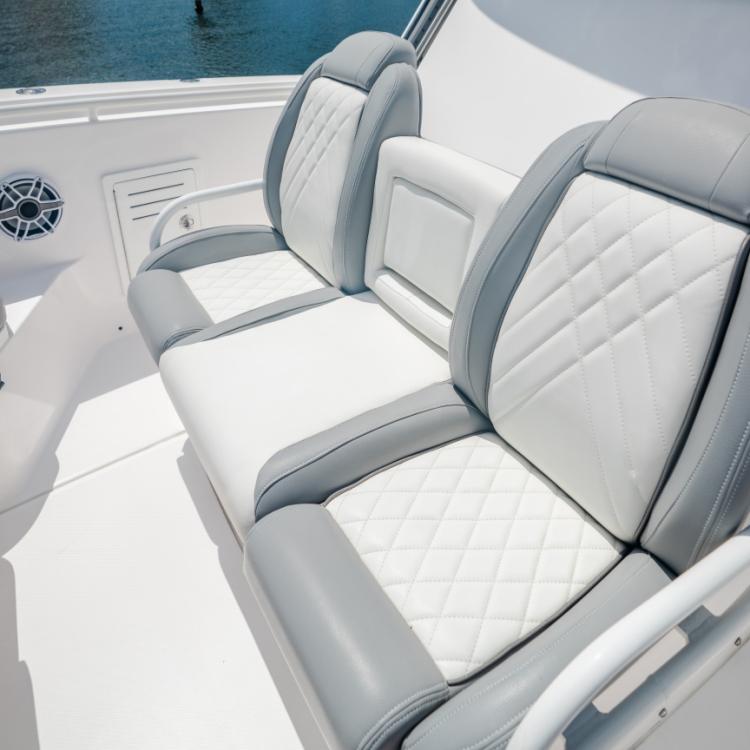
A client of ours in Florida was replacing vinyl boat cushions every two years. The salt air and intense sun turned the white vinyl into a sticky, yellow mess. We swapped them out for our marine-grade silicone leather. Three years later, the cushions still look brand new. No mold, no yellowing, and the owner just hoses them down after a trip. That’s the ROI of quality.
Frequently Asked Questions (FAQ)
Q1. Is large-scale silicone leather production eco-friendly?
We use zero animal materials in production. You also won’t find the chlorine or phthalates typical of PVC. The factory lines run on lower energy and generate no wastewater. This material strongly supports brands working toward 2030 carbon-neutral goals.
Q2. Do you offer custom brand colors?
Absolutely. Being the direct manufacturer means we hit almost every Pantone target requested. You can also spec the texture—from flat silk feels to deep, industrial grains.
Q3. Does it get sticky or feel like rubber?
Not at all. High-grade silicone has a hand-feel very similar to real lambskin. It breathes well, meaning heat won’t make it tacky. This is exactly why automotive buyers spec it for seating.
Q4. How does it handle aggressive cleaning chemicals?
It takes chemical exposure extremely well. You can throw 70% alcohol or even diluted bleach at it, and the surface won’t even flinch. That’s why it’s become the “gold standard” for things like hospital furniture and busy public spaces.
Q5. Is it more expensive than PU leather?
The initial cost per meter is higher than low-end PU. But since it outlasts basic PU by 3 to 5 times, warranty claims practically disappear. This drives down lifetime costs, with most buyers seeing full ROI within 24 months.