


Table of Contents
If you are seeing your upholstery flake, crack, or peel, the answer is simple: you are likely using PU (polyurethane) leather, and it’s losing the battle against humidity. This process is called hydrolysis. The best way to stop this cycle is to switch to silicone leather. Unlike traditional synthetics, silicone doesn’t react with water or sunlight, meaning it won’t peel for at least a decade. By making the switch, you eliminate warranty claims, reduce waste, and provide a product that actually lasts.
I’ve spent a long time working as a solution expert at Shalitetech, and I’ve seen countless manufacturers lose sleep over “peeling” complaints. It’s not just a minor annoyance; it destroys brand trust. Let’s dive into why this happens and how we can fix it.
The Chemistry of Failure: Why PU Leather Peels
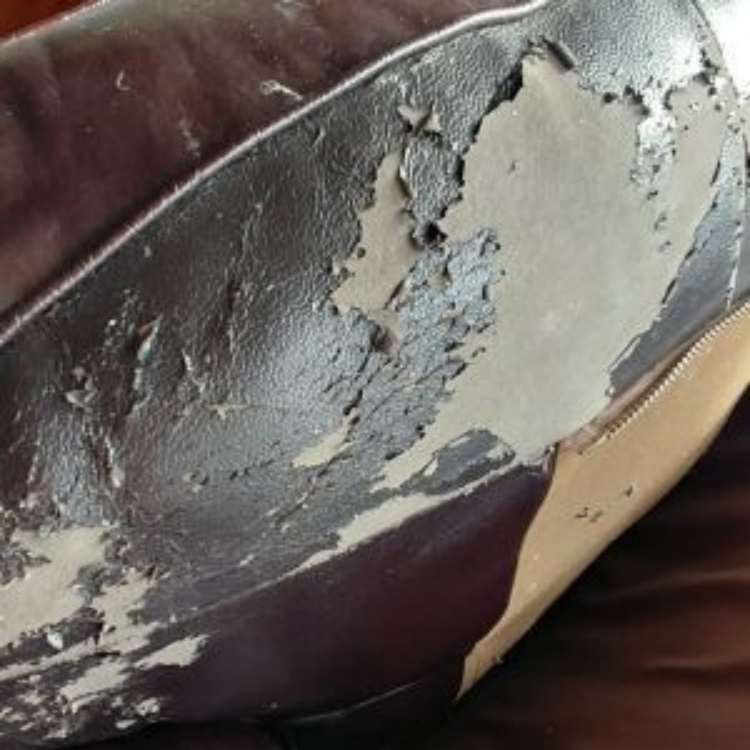
Most people think peeling happens because of “cheap” material. While quality varies, the fundamental chemistry of PU leather makes it prone to breaking down. PU leather is essentially a layer of plastic resin on top of a fabric base.
What is Hydrolysis?
Hydrolysis is a chemical reaction where water molecules break the bonds of the polymer. Even the humidity in a standard office or a car interior is enough to trigger it. Once those bonds break, the top layer loses its grip on the fabric and starts flaking off.
Traditional polyurethane begins to experience significant chain scission—the breaking of molecular bonds—when exposed to consistent moisture and heat.
The Role of Heat and Light
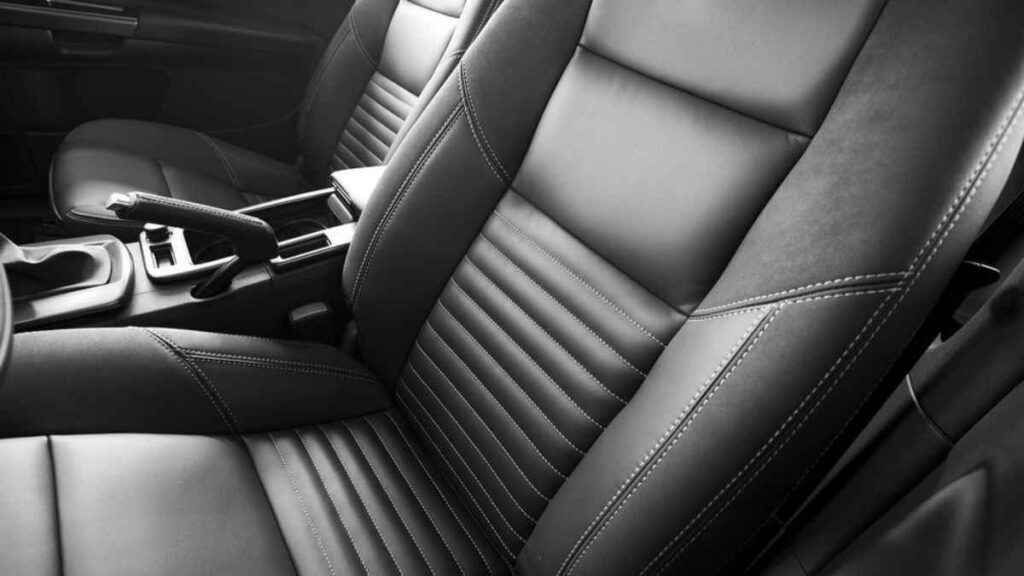
If you are in the automotive or marine industry, you know that heat acts as a catalyst. A car seat sitting in the sun can reach 70°C (158°F). This heat accelerates the chemical breakdown of PU. This is why we often recommend silicone leather for car seats to our clients; it handles the heat without sweating or cracking.
Why Silicone Leather is Built Differently
At Shalitetech, we produce silicone leather using an inorganic backbone. While PU is carbon-based (organic), silicone is made from silica (sand). This difference in “DNA” is why silicone succeeds where others fail.
1. Naturally Hydrolysis-Resistant
Since silicone is inorganic, water literally has no “handle” to grab onto to break it down. In the industry, we use the “Jungle Test” to measure this. We put materials in a chamber at 70°C and 95% humidity.
- Standard PU: Fails in 2–3 weeks.
- High-End PU: Fails in 5 weeks.
- Silicone Leather: Passes 10+ weeks with zero change.
2. UV Stability
Silicone is the same material used in high-end kitchenware and medical devices. It doesn’t need chemical stabilizers to resist the sun. This makes it the perfect eco friendly silicone leather because we don’t have to add toxic UV-blockers that eventually leach out.
3. Skin-Friendly and Safe
Because it doesn’t peel or off-gas, it’s incredibly safe for direct skin contact. This is why it has become the gold standard for silicone leather for medical furniture. It can withstand harsh bleach cleaners used in hospitals without the surface becoming brittle.
Comparison Table: Performance at a Glance
| Feature | Polyurethane (PU) | Silicone Leather |
| Main Cause of Death | Hydrolysis (Moisture) | Physical damage only |
| Typical Lifespan | 2–5 Years | 10+ Years |
| UV Resistance | Low (Yellows/Cracks) | Excellent (No change) |
| Chemical Cleaning | Damages the surface | Highly resistant |
| Environment | Uses solvents/PVC | pvc free silicone leather |
Best Practices for Manufacturers and Designers
If you’re ready to move away from peeling materials, here’s how I suggest you start:
1. Don’t Just Look at the Price Tag
Yes, silicone costs more upfront than PU. But if you are a furniture brand, calculate the cost of one technician visit to a customer’s house to repair a peeling sofa. That one visit costs more than the price difference for the entire roll of fabric.
2. Check the Backing
The durability of the leather depends on the bond. As a silicone leather manufacturer, we ensure the polyester or microfiber backing is perfectly fused to the silicone layer. Always ask for a “peel strength” test report.
3. Test for Stain Release
In the hospitality or medical field, stains are inevitable. One of the best parts about silicone is its surface tension. Most inks and oils won’t stick. You can often clean permanent markers with just a dry cloth.
Solving the Sustainability Puzzle
For large-scale buyers, sustainability is no longer optional. Traditional synthetic leather often uses solvents like DMF (Dimethylformamide) during production, which is harmful to workers and the environment.
Our process at Shalitetech is different. We focus on being a custom silicone leather provider that uses a solvent-free coating process. We follow the guidelines set by the OEKO-TEX Standard 100, ensuring our materials are free from harmful substances.
“The shift toward silicone in the automotive and medical sectors isn’t just about durability; it’s about eliminating the Volatile Organic Compounds (VOCs) that give new cars and hospitals that ‘chemical’ smell.” — Industry Insight from Shalitetech Labs.
Real-World Case Study: The Marine Environment
A client of ours in Florida was replacing the upholstery on their fleet of rental boats every two years. The salt air and intense UV were “cooking” the vinyl and PU seats until they cracked like eggshells.
They switched to our marine-grade silicone. Three years later, the seats haven’t just “survived”—they look identical to the day they were installed. No fading, no peeling, and no mold growth. Silicone is naturally inherently resistant to mildew because it provides no organic food source for fungi to grow on.
Frequently Asked Questions (FAQ)
Q1. Is silicone leather truly environmentally friendly?
Yes. Unlike PVC leather, silicone does not contain chlorine. It is a pvc free silicone leather and does not require plasticizers (phthalates), which are known to be endocrine disruptors. It’s also much more sustainable than PU because it lasts 3-4 times longer, significantly reducing landfill waste.
Q2. How does it handle heavy cleaning in hospitals?
It’s a champion in healthcare. You can use 10% bleach solutions or heavy-duty disinfectants without worrying about the surface cracking. This is why it’s the top choice for silicone leather for medical furniture.
Q3. Will it feel like a “rubber” swimming cap?
Not at all. We’ve engineered the texture to be incredibly soft and “buttery.” It has a premium hand-feel that is often mistaken for high-end calfskin leather, but with much better performance.
Q4. Can we customize the color and grain for large orders?
Absolutely. As a custom silicone leather specialist, we can match Pantone colors and create specific grains—from smooth Nappa styles to heavy pebbled textures—to fit your brand identity.
Q5. Does silicone leather smell?
No. Because it is solvent-free and doesn’t use the chemical cocktails found in PU or PVC, it is virtually odorless. This improves the air quality in enclosed spaces like car interiors or small offices.
Making the Switch
If you are tired of dealing with quality complaints and want a material that reflects the quality of your craftsmanship, it’s time to move past PU. At Shalitetech, we provide the technical support and the high-grade materials you need to make the transition seamless.
Don’t wait for your next batch of products to start peeling in a customer’s home. Contact us today to see how we can upgrade your materials.